Related Articles
The Rise of Hybrid Inverters in Sustainable Living
Understanding Hybrid Inverters: A Gateway to Sustainable Energy
What is a Hybrid Inverter? Defining the Technology
A hybrid inverter is a transformative device that combines various energy sources to optimize power management in homes and businesses. Unlike conventional inverters that solely convert direct current (DC) from solar panels to alternating current (AC), hybrid inverters integrate energy storage solutions, such as batteries, with grid electricity. This multifaceted approach facilitates energy generation and empowers users to store surplus energy for later use. Hybrid inverters lay the foundation for a more resilient and sustainable energy landscape by harnessing the synergy between solar power and battery storage.
How Hybrid Inverters Operate: The Mechanisms Behind the Magic
The operation of hybrid inverters hinges on a sophisticated interplay of components. At their core, these devices feature an inverter that converts DC from solar panels into usable AC electricity. Coupled with this is a battery management system that stores excess energy, ensuring it can be accessed during peak demand periods or power outages. Additionally, hybrid inverters often incorporate intelligent energy management systems that monitor energy production and consumption in real-time. This capability enables users to maximize their energy efficiency by intelligently directing power to where it is needed most, optimizing resource use and enhancing overall sustainability.
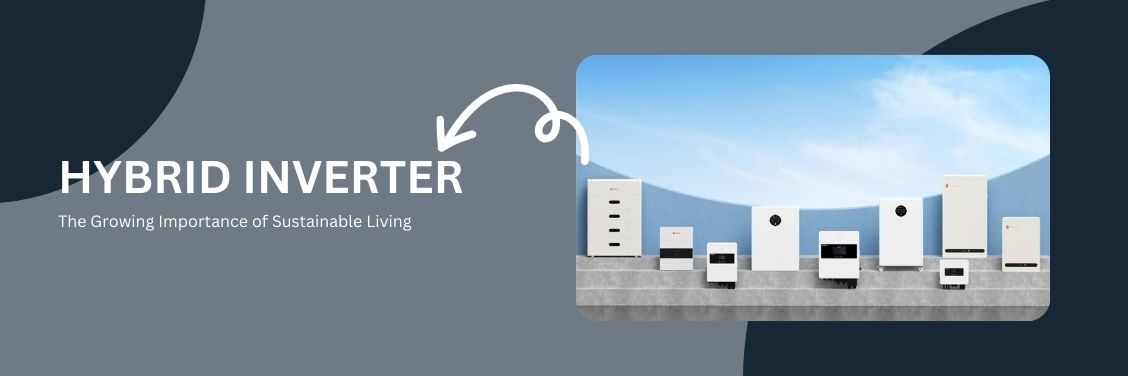
The Growing Importance of Sustainable Living
Why Sustainability Matters: The Global Perspective
In an era marked by climate change and environmental degradation, sustainability has emerged as a critical imperative. The global perspective on sustainability underscores the urgent need to reduce carbon emissions and conserve natural resources. As communities grapple with the consequences of unsustainable practices, adopting eco-friendly technologies becomes paramount. Hybrid inverters represent a vital step towards achieving sustainability, as they facilitate the use of renewable energy and promote energy independence, aligning individual choices with global ecological goals.
The Role of Renewable Energy in Sustainable Living
Renewable energy is at the heart of sustainable living. By harnessing natural resources such as sunlight, wind, and water, societies can reduce their reliance on fossil fuels and mitigate environmental harm. Hybrid inverters play a crucial role in this transition by seamlessly integrating renewable energy sources into everyday life. By maximizing the use of solar power and facilitating energy storage, these devices empower individuals to adopt a lifestyle that prioritizes environmental responsibility while enjoying the benefits of modern convenience.
Key Advantages of Hybrid Inverters
Cost Efficiency: How Hybrid Inverters Save You Money
One of the most compelling advantages of hybrid inverters lies in their potential for significant cost savings. By utilizing solar energy, homeowners can drastically reduce their reliance on grid electricity, lowering utility bills. Additionally, hybrid inverters enable users to store excess power generated during peak sunlight hours, which can be used during high demand when electricity prices soar. Over time, the cumulative savings from reduced energy costs can offset the initial investment, making hybrid inverters a financially prudent choice for households and businesses.
Energy Independence: Breaking Free from Traditional Utilities
Hybrid inverters facilitate a remarkable degree of energy independence. By generating and storing their energy, users can free themselves from the constraints of traditional utility companies. This independence is particularly beneficial in areas susceptible to power outages or fluctuating electricity prices. With a hybrid inverter system, homeowners and businesses can maintain essential functions even during grid failures, ensuring that comfort and security remain uninterrupted. This autonomy empowers users and fosters a sense of responsibility towards sustainable energy consumption.
Enhanced Energy Management: Maximizing Resource Use
The advanced technology embedded in hybrid inverters enhances energy management, allowing users to maximize resource utilization. By intelligently directing energy flow, hybrid inverters ensure power is used efficiently throughout the day. For instance, energy generated during sunny periods can be directed to immediate consumption, while excess energy can be stored for later use. This capability minimizes waste and optimizes energy usage, leading to a more sustainable lifestyle. By managing resources effectively, users contribute to a healthier planet while enjoying the benefits of reduced energy costs.
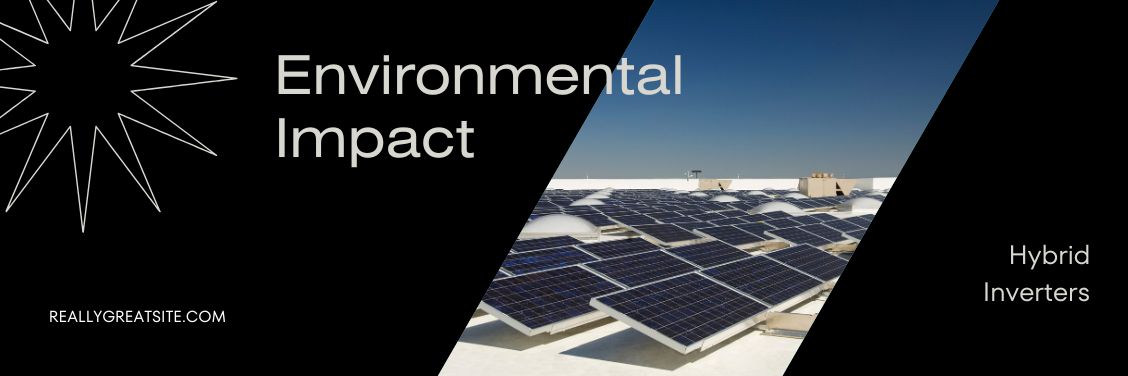
Environmental Impact of Hybrid Inverters
Reducing Your Carbon Footprint: A Greener Choice
Adopting hybrid inverters is a proactive measure to reduce one’s carbon footprint. By leveraging renewable energy sources, users can significantly decrease their dependence on fossil fuels, which are notorious for contributing to greenhouse gas emissions. This transition benefits individual households and plays a crucial role in the collective effort to combat climate change. By choosing hybrid inverters, users make a meaningful contribution to a cleaner, greener future, promoting environmental stewardship at a personal and community level.
Supporting the Transition to Renewable Energy Sources
Hybrid inverters are instrumental in supporting the transition to renewable energy sources. As more homes and businesses embrace solar power, the demand for efficient systems to manage this energy surge becomes critical. Hybrid inverters facilitate the seamless integration of renewable energy into the existing energy grid, allowing users to return excess energy to the grid. This supports a more sustainable energy landscape and enhances grid stability, fostering a more resilient energy infrastructure.
Real-World Applications of Hybrid Inverters
Residential Use: Transforming Homes into Eco-Friendly Havens
For homeowners, hybrid inverters represent a powerful tool for achieving sustainability. By generating their energy, families can enjoy lower utility bills while contributing to a cleaner environment. Storing energy for later use enhances the appeal, providing a reliable power source during peak demand or outages. This transformation empowers homeowners to take control of their energy consumption and adopt a lifestyle that prioritizes environmental responsibility.
Commercial Adoption: Boosting Sustainability in Businesses
Businesses can also reap significant rewards from adopting hybrid inverter systems. Commercial entities can improve their bottom line by reducing energy costs and enhancing operational efficiency while demonstrating corporate social responsibility. Furthermore, many consumers today prefer to engage with brands that prioritize sustainability. By investing in hybrid technology, businesses save money and enhance their reputation in an increasingly eco-conscious marketplace.
Off-Grid Living: Empowering Remote Areas with Clean Energy
For those living in remote areas, hybrid inverters offer an unparalleled solution for energy independence. These systems enable off-grid living by harnessing solar energy and storing it when needed. This capability is especially beneficial in locations with limited or unreliable access to traditional energy sources. Embracing hybrid technology allows individuals to enjoy modern conveniences while living sustainably and independently.
Challenges and Considerations
Common Misconceptions about Hybrid Inverters
Despite the numerous advantages, misconceptions about hybrid inverters persist. Some individuals believe that these systems are overly complex or prohibitively expensive. However, as technology advances, hybrid inverters have become more user-friendly and accessible to a broader audience. Addressing these misconceptions is vital for fostering acceptance and encouraging the adoption of hybrid inverter technology as a viable solution for sustainable living.
Installation and Maintenance: What You Need to Know
Successful installation and maintenance are crucial for the optimal performance of hybrid inverters. Homeowners should consider engaging professionals to ensure compliance with safety standards and maximize system efficiency. Routine maintenance, such as cleaning solar panels and monitoring battery health, is essential for long-term functionality. Users can ensure that their hybrid inverter systems operate effectively for years to come by investing time and resources into proper installation and upkeep.
Navigating Initial Costs vs. Long-Term Benefits
While the initial investment in a hybrid inverter system can be significant, evaluating long-term benefits reveals its financial viability. Analyzing potential reductions in energy bills, maintenance costs, and the system’s lifespan provides a clearer perspective on its overall value. Homeowners should approach this investment with an understanding of upfront costs and the long-term financial benefits, recognizing that hybrid inverters can yield substantial returns over time.
Future Trends in Hybrid Inverter Technology
Innovations on the Horizon: What to Expect
The future of hybrid inverters is promising, with numerous technological advancements on the horizon. Innovations such as enhanced battery storage solutions, increased inverter efficiency, and improved energy management systems are expected to revolutionize the industry. These advancements will further elevate the capabilities of hybrid inverters, solidifying their role as a cornerstone of modern energy systems.
The Role of Smart Technologies in Sustainable Living
As the world becomes more interconnected, integrating hybrid inverters with smart home technologies will gain prominence. Homeowners will be able to monitor and manage their energy consumption in real time, leading to informed decisions that optimize efficiency. This synergy will improve convenience and empower users to harness their energy usage based on real-time data.
Predictions for the Growth of Hybrid Inverters in the Energy Market
The renewable energy sector is poised for exponential growth, with hybrid inverters crucial in this evolution. As awareness of climate issues intensifies, the demand for sustainable energy solutions will surge. With their ability to combine multiple energy sources and enhance efficiency, hybrid inverters will be at the forefront of this transition, paving the way for a greener, more self-sufficient future.
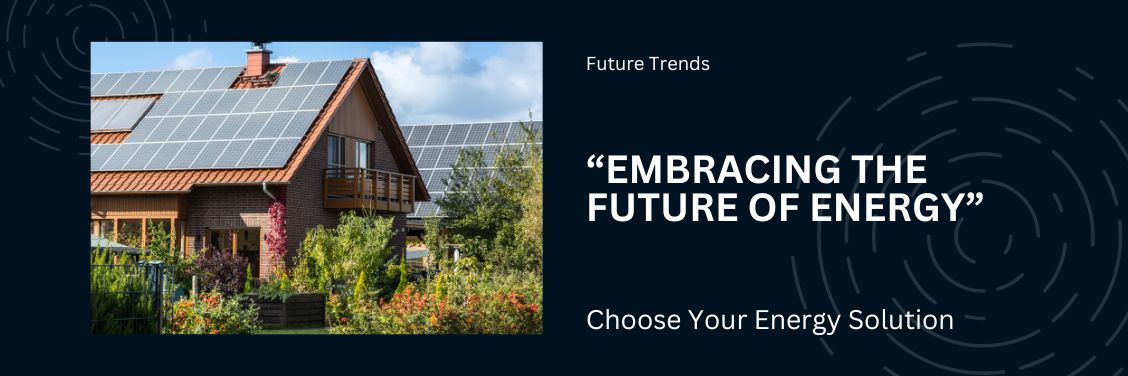
Conclusion: Embracing the Future of Energy
Assessing Your Energy Needs: The First Steps to Transition
The journey toward energy independence begins with thoroughly assessing the home’s energy requirements. Understanding current consumption patterns and future energy needs is essential for selecting the right hybrid inverter system. This foundational step will ensure homeowners invest in a solution that effectively meets their unique energy goals.
Taking Action: How to Integrate Hybrid Inverters into Your Life
Transitioning to a hybrid inverter system involves a series of strategic steps. Engaging with qualified professionals for installation, exploring financing options, and familiarizing oneself with maintenance practices are all critical components of a successful transition. By taking a structured approach, homeowners can maximize the benefits of their new energy system.
The Collective Impact: Why Your Choice Matters for a Sustainable Future
Investing in a hybrid inverter system is more than a personal decision; it signifies a commitment to sustainability and energy independence. Harnessing renewable energy contributes to a healthier planet and a more resilient future. By embracing this technology, individuals are not just securing their energy future—they are participating in a collective movement towards a sustainable world for generations to come.
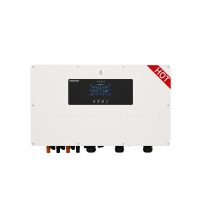
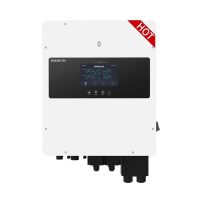
three-phase hybrid inverter
5-14kW | MARS-5-14G2-LE
- Support different power inverters parallel connection
- Independent AC input port for diesel generator
- 100% unbalanced output, each phase max. output up to 5kW
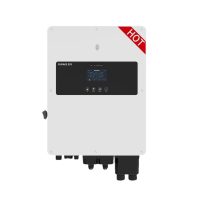
Single-phase hybrid inverter
3-10kW | JUP-3-10G2-LE
- Independent AC input port for diesel generator
- Colorful 5-inch touch LCD, IP65 protection degree
- Up to 20 PCS inverters parallel for off-grid operation
three-phase hybrid inverter
20-60kW | MERC-20-60G1-HE
- Support on/off-grid mode switch, EPS output
- Independent AC input port for diesel generator
- Up to 20 PCS inverters parallel for on/off-grid operation