Related Articles
Hybrid Inverters VS Normal Inverters: Which Is Right for You
Understanding Inverter Basics: The Foundation of Your Choice
Inverters play a pivotal role in renewable energy and efficient power management. These devices convert direct current (DC) from sources like solar panels into alternating current (AC), essential for powering your home. Understanding the basics of inverters is crucial for anyone looking to make informed energy choices.
What is a Normal Inverter? Key Features and Functionality
A normal inverter primarily converts DC to AC, allowing electricity generated from solar panels to be used in standard household applications. These inverters typically lack advanced features and may not support battery storage. Consequently, when the grid goes down, so does your power supply. Normal inverters are often simpler, with fewer components, making them easier to install and maintain. However, their functionality regarding energy management and integration with renewable systems can be limited.
What is a Hybrid Inverter? Defining the Modern Alternative
A hybrid inverter transcends the basic capabilities of a normal inverter by integrating both solar and battery storage functionalities. It allows for the seamless operation of energy from multiple sources, managing solar power, grid electricity, and stored battery energy. This versatility enables homeowners to optimize their energy usage, ensuring a continuous power supply even during outages. Hybrid inverters also support energy management systems, allowing for smart monitoring and control, making them a modern alternative for energy-conscious consumers.
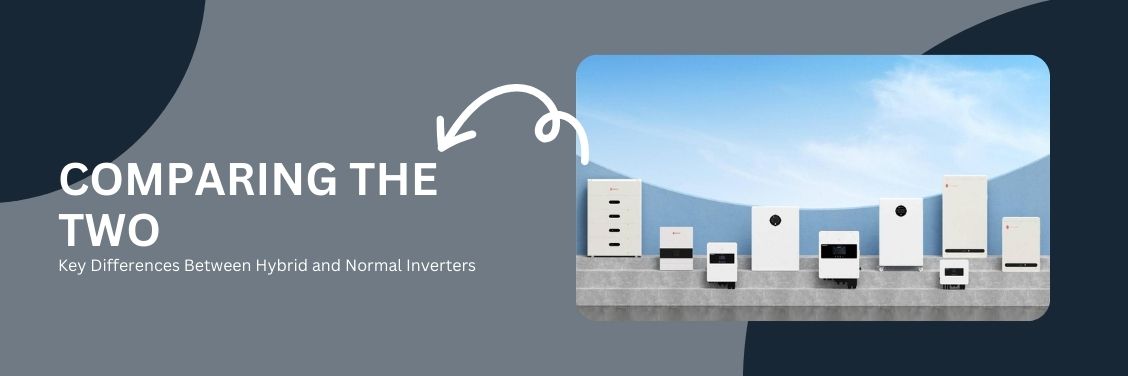
Comparing the Two: Key Differences Between Hybrid and Normal Inverters
When compared to normal inverters, several key differences emerge. Hybrid inverters excel in integrating battery storage, providing backup power during outages, whereas normal inverters do not. Regarding energy management, hybrid inverters allow users to prioritize energy sources, maximizing efficiency and minimizing costs. While normal inverters are often less expensive upfront, hybrid inverters offer long-term benefits through energy independence and enhanced performance.
Power Source Integration: How Each Type Handles Energy
Normal inverters typically connect to a single power source, such as the grid or a solar array. They are straightforward in functionality but lack the sophistication needed for advanced energy management. In contrast, hybrid inverters can seamlessly switch between multiple energy sources. They can intelligently manage energy flow, directing solar energy to power home appliances while charging batteries simultaneously. This integration provides flexibility and resilience in energy supply, catering to diverse household needs.
Battery Storage Capabilities: Which Offers More Flexibility?
Battery storage is where hybrid inverters truly shine. They are designed to work with energy storage systems, allowing homeowners to store excess solar energy for later use. This capability provides significant advantages during peak demand times or grid outages. Normal inverters, however, do not support battery storage, leaving users vulnerable to power interruptions and limiting their ability to utilize renewable energy effectively. Thus, the choice between these inverter types heavily depends on the need for energy autonomy.
Efficiency and Performance: Evaluating Energy Output
When it comes to efficiency, hybrid inverters generally outperform normal inverters. Storing and managing energy flows ensures that homeowners can use energy more effectively. Hybrid inverters typically feature advanced algorithms that optimize energy distribution, enhancing overall system performance. Normal inverters, while functional, may lead to wasted energy opportunities, especially if excess solar generation goes unused.
Cost Analysis: Initial Investment vs. Long-Term Savings
Cost is often a primary concern when deciding between hybrid and normal inverters. Normal inverters usually have a lower initial price tag, making them attractive for budget-conscious consumers. However, despite their higher upfront cost, hybrid inverters provide significant long-term savings through improved energy efficiency, reduced electricity bills, and the potential for energy independence. Ultimately, weighing initial costs against long-term benefits is essential for making an informed decision.
Upfront Costs: Comparing Prices of Hybrid and Normal Inverters
The initial costs of normal inverters typically range from a few hundred to a couple of thousand dollars, depending on the system size and features. On the other hand, hybrid inverters often start at a higher price point, reflecting their advanced capabilities and added functionalities. While this may deter some buyers, understanding the long-term financial implications is crucial. Investing in a hybrid inverter can lead to substantial savings over time, particularly for those committed to sustainable living.
Hidden Costs: Maintenance and Replacement Considerations
Both types of inverters come with maintenance requirements, but hybrid inverters might have slightly higher maintenance costs due to their complexity. Normal inverters are generally easier to maintain, but their lack of battery integration could lead to higher long-term costs if energy independence is desired. Additionally, the lifespan of both inverter types should be considered. While normal inverters may last around 5-10 years, hybrid inverters often have a longer lifespan, resulting in a better return on investment over time.

Applications: Choosing Based on Your Energy Needs
Choosing between a hybrid and a normal inverter depends on your energy needs. A normal inverter might suffice for homeowners seeking simplicity and lower upfront costs. However, a hybrid inverter is the clear choice for those prioritizing energy independence, sustainability, and advanced energy management. Understanding your energy consumption patterns and future needs will guide you in selecting the most suitable inverter type.
Best Uses for Normal Inverters: When Simplicity Works
Normal inverters are well-suited for straightforward applications where simplicity is key. They are ideal for small-scale solar installations or for individuals who do not require battery storage. A normal inverter can be a cost-effective solution when grid reliability is high and power outages are infrequent. However, as energy demands grow and sustainability becomes increasingly important, the limitations of normal inverters may become more apparent.
Optimal Scenarios for Hybrid Inverters: Maximizing Energy Independence
Hybrid inverters are optimal for households seeking to maximize energy independence and resilience. They excel in environments where grid outages are common or where energy costs are high. By storing solar energy for later use, hybrid inverters empower homeowners to reduce reliance on the grid and take control of their energy consumption. This flexibility is invaluable, particularly in regions where energy prices fluctuate significantly.
Installation Considerations: What You Need to Know
Installing an inverter is a crucial step in setting up your energy system. Both hybrid and normal inverters require professional installation for optimal performance. However, the installation process for hybrid inverters can be more complex due to their integration with battery storage and energy management systems. It’s essential to work with qualified professionals who understand the intricacies of both types to ensure a smooth and efficient installation.
Professional Installation vs. DIY: Weighing Your Options
While some homeowners may consider a DIY installation for cost savings, the complexities of inverter systems often necessitate professional expertise. A properly installed inverter ensures safety, efficiency, and longevity. While DIY projects can be rewarding, the intricacies of hybrid inverters make professional installation the safer and more reliable option for achieving optimal performance.
Maintenance Requirements: Keeping Your Inverter Running Smoothly
Regular maintenance is essential to ensure your inverter operates efficiently and lasts as long as possible. This may involve periodic inspections and cleaning to prevent dust and debris accumulation for normal inverters. Due to their additional components, hybrid inverters may require more frequent monitoring of battery health and energy management systems. Establishing a maintenance schedule with a qualified technician is crucial for maximizing performance.
Environmental Impact: Which Option is More Sustainable?
In the context of environmental sustainability, hybrid inverters often take the lead. By integrating renewable energy sources and promoting energy independence, hybrid inverters reduce reliance on fossil fuels and lower carbon footprints. Normal inverters, while functional, do not offer the same level of sustainability. As more consumers prioritize eco-friendly solutions, hybrid inverters align closely with green living goals.
Renewable Energy Integration: Supporting Green Initiatives
Hybrid inverters are at the forefront of renewable energy integration. Their ability to manage multiple energy sources and support battery storage makes them ideal for homes that harness solar power effectively. As renewable energy initiatives gain traction, hybrid inverters are critical in facilitating the transition to sustainable energy solutions. They empower homeowners to contribute to a greener future by optimizing their energy use and reducing waste.
Future Trends: What Lies Ahead for Inverter Technology
The landscape of inverter technology is continually evolving. With advancements in smart technology, future hybrid inverters may feature even more sophisticated energy management systems. Integration with smart grids and enhanced connectivity will enable real-time energy use monitoring and optimization. As the demand for sustainable energy solutions grows, the future of inverter technology is set to be dynamic and transformative.
Emerging Innovations: Advancements in Hybrid and Normal Inverters
Emerging innovations in both hybrid and normal inverters are reshaping the energy market. Some recent advancements include improved efficiencies, enhanced battery technologies, and greater compatibility with smart home systems. These innovations drive down costs and improve the overall functionality of inverter systems, making renewable energy solutions more accessible to homeowners.
Market Predictions: The Future of Energy Solutions
As the world increasingly shifts toward sustainable energy solutions, the inverter market is expected to grow significantly. Analysts predict a surge in demand for hybrid inverters as more homeowners recognize the benefits of energy independence and resilience. This growing market will likely foster further innovation, leading to more advanced and efficient inverter technologies in the coming years.
Conclusion: Making the Right Choice for Your Energy Needs
Choosing between hybrid and normal inverters ultimately depends on your energy needs, budget, and sustainability goals. By weighing each option’s features, costs, and applications, you can make an informed decision that aligns with your lifestyle and values.
Assessing Your Requirements: A Step-by-Step Approach
Start by evaluating your energy consumption patterns, budget constraints, and future energy goals. Consider how much control you want over your energy sources and whether you want a simple solution or a more advanced setup. This assessment will guide you toward the inverter that best meets your needs.
Final Thoughts: Empowering Your Decision for Sustainable Living
In a world increasingly focused on sustainability, choosing the right inverter is more than just a technical decision; it’s a commitment to a greener future. By understanding the distinctions between hybrid and normal inverters, you can empower your energy choices and contribute to a more sustainable way of living.
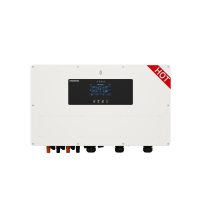
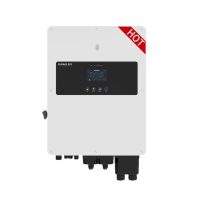
three-phase hybrid inverter
5-14kW | MARS-5-14G2-LE
- Support different power inverters parallel connection
- Independent AC input port for diesel generator
- 100% unbalanced output, each phase max. output up to 5kW
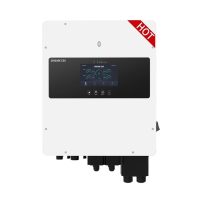
Single-phase hybrid inverter
3-10kW | JUP-3-10G2-LE
- Independent AC input port for diesel generator
- Colorful 5-inch touch LCD, IP65 protection degree
- Up to 20 PCS inverters parallel for off-grid operation
three-phase hybrid inverter
20-60kW | MERC-20-60G1-HE
- Support on/off-grid mode switch, EPS output
- Independent AC input port for diesel generator
- Up to 20 PCS inverters parallel for on/off-grid operation