Related Articles
Hybrid Inverters VS Normal Inverters: A Complete Comparison
In the ever-evolving landscape of energy solutions, understanding the fundamentals of inverters is crucial for making informed decisions. There are two primary types on the market—normal and hybrid inverters—each offering unique benefits tailored to different needs. This article delves deep into their functionalities, advantages, and overarching impact on energy management.
What is a Normal Inverter? Key Features and Functionality
Definition and Operation: How Normal Inverters Work
A normal inverter is a pivotal device that converts direct current (DC) into alternating (AC). This conversion is vital for using solar energy in residential or commercial settings where most appliances operate on AC power. Typically, normal inverters utilize a straightforward design, incorporating a transformer to facilitate this conversion. The efficiency of a normal inverter is often defined by its ability to convert power without significant loss, making it a reliable choice for many applications.
Common Applications: Where Normal Inverters Shine
Normal inverters are predominantly utilized in grid-tied systems, critical in integrating solar energy into existing electrical grids. They are ideal for residential solar power systems, ensuring homeowners can power their devices and export excess energy to the grid. They are also favored in small-scale renewable energy setups, such as rural electrification projects, where simplicity and cost-effectiveness are paramount.
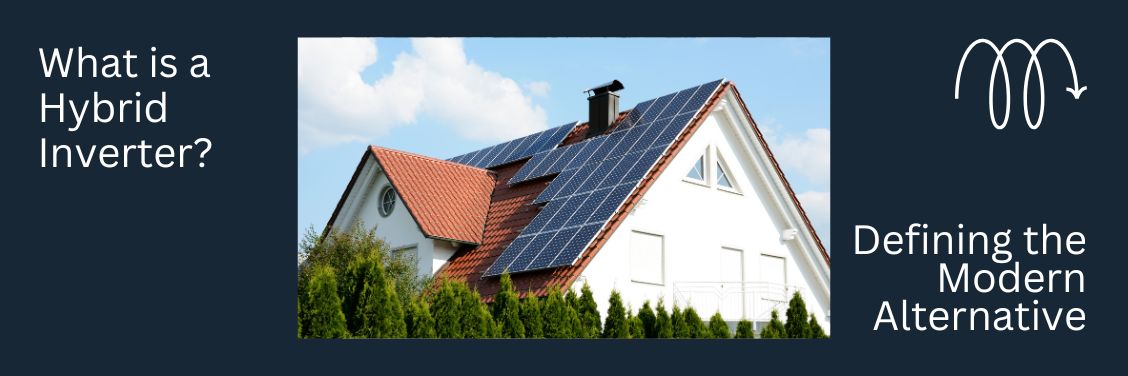
What is a Hybrid Inverter? Defining the Modern Alternative
A hybrid inverter represents a significant technological advancement. It combines the functionalities of normal inverters with added capabilities, primarily in energy storage and management. This versatility allows hybrid inverters to convert DC to AC and manage multiple power sources simultaneously, including solar panels, batteries, and the electrical grid.
Key Features of Hybrid Inverters: A Technological Leap
The hallmark of hybrid inverters lies in their ability to optimize energy usage. They incorporate sophisticated software that enables users to manage their energy consumption actively. Features such as grid feeding, load shifting, and battery charging during low-cost energy periods make hybrid inverters indispensable for maximizing energy efficiency.
Flexibility and Integration: The Role of Battery Storage
Battery storage integration is where hybrid inverters truly excel. By storing surplus energy generated from solar panels, these systems provide users with backup power during outages or peak demand periods. This flexibility enhances energy independence and significantly reduces reliance on traditional energy sources.
Comparing the Two: Key Differences Between Hybrid and Normal Inverters
Power Source Integration: Energy Management Made Easy
While normal inverters typically connect to a single power source, hybrid inverters can seamlessly integrate multiple sources. This capability allows users to harness energy from solar panels, batteries, and the grid, providing a holistic approach to energy management. For instance, during sunny days, excess solar energy can be stored in batteries for later use, optimizing overall energy efficiency.
Efficiency Ratings: Performance Metrics Explained
Both inverter types have merits when evaluating performance. Normal inverters generally exhibit high-efficiency rates during straightforward energy conversion. However, hybrid inverters often outperform in scenarios where energy storage and management are vital, as they can dynamically adapt to changing energy needs.
Cost Analysis: Initial Investment vs. Long-Term Savings
Upfront Costs: Breaking Down Price Differences
The initial investment for hybrid inverters is typically higher than that of normal inverters. This increased cost reflects their advanced technology and capabilities. Homeowners may find that, while normal inverters offer a lower entry price, hybrid inverters present an opportunity for long-term savings through reduced energy bills and increased energy independence.
Hidden Costs: Maintenance and Replacement Considerations
In addition to initial costs, it is crucial to consider hidden expenses. Normal inverters may incur lower maintenance costs due to their simplicity, whereas hybrid inverters, with their complex systems, may require more frequent upkeep. However, the potential for energy savings and increased functionality can offset these costs over time.
Applications: Choosing Based on Your Energy Needs
Best Uses for Normal Inverters: When Simplicity Works
Normal inverters are best suited for straightforward applications where energy storage and multiple power sources are unnecessary. They are ideal for homeowners looking for a simple, effective solution to convert solar energy directly for immediate use or to feed back into the grid.
Optimal Scenarios for Hybrid Inverters: Maximizing Energy Independence
Hybrid inverters are optimal for users seeking to enhance their energy independence. They are particularly beneficial when energy reliability is paramount, such as in regions prone to power outages or for homeowners with high energy demands. By leveraging solar energy and stored battery power, hybrid inverters empower users to take control of their energy consumption.
Installation Considerations: What You Need to Know
Professional Installation vs. DIY: Evaluating Your Options
Users must weigh the benefits of professional installation against DIY options when considering installation. While DIY installations can save money, professional installation ensures that the inverter system operates at peak efficiency and adheres to local regulations. Expertise in handling electrical components and integrating multiple power sources can significantly enhance performance.
Maintenance Requirements: Ensuring Longevity and Performance
Both normal and hybrid inverters require maintenance to ensure longevity. Regular checks, cleaning, and software updates (in the case of hybrid inverters) are essential to keep the systems running smoothly. Understanding the maintenance needs of each inverter type can help users make informed decisions about their energy systems.
Environmental Impact: Which Option is More Sustainable?
Renewable Energy Integration: Supporting Green Initiatives
Both inverter types contribute to the integration of renewable energy sources, supporting global initiatives to reduce carbon footprints. By converting solar energy into usable power, both normal and hybrid inverters facilitate the shift towards cleaner energy solutions.
Carbon Footprint Reduction: The Eco-Friendly Choice
Choosing between normal and hybrid inverters can influence an individual’s or business’s overall carbon footprint. With their ability to store energy, hybrid inverters often lead to reduced reliance on fossil fuels, positioning them as a more sustainable option for eco-conscious consumers.
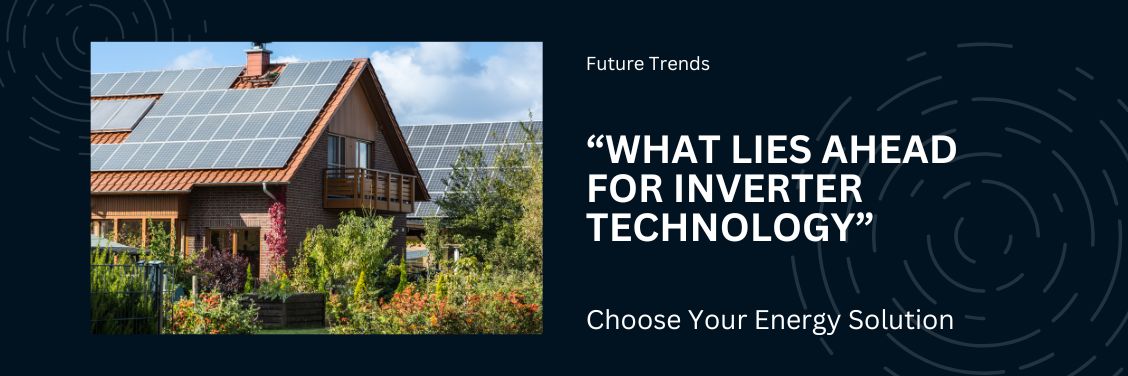
Future Trends: What Lies Ahead for Inverter Technology
Emerging Innovations: Advancements in Hybrid and Normal Inverters
As technology advances, both hybrid and normal inverters are expected to evolve. Innovations in energy management systems, efficiency improvements, and integration with smart home technologies are on the horizon, promising to enhance user experience and efficiency.
Market Predictions: The Future of Energy Solutions
Market predictions suggest a growing preference for hybrid inverters as more consumers seek energy independence and sustainability. The rise of smart technologies and increasing energy costs may further propel this trend, making hybrid inverters the preferred choice for future energy solutions.
Conclusion: Making the Right Choice for Your Energy Needs
Assessing Your Requirements: A Step-by-Step Approach
Choosing between a normal and hybrid inverter requires thoroughly assessing energy needs, budget, and environmental goals. Understanding the specific functionalities of each type can guide this decision.
Final Thoughts: Empowering Your Decision for Sustainable Living
Ultimately, the right inverter choice hinges on individual circumstances and objectives. By carefully considering the advantages and applications of normal and hybrid inverters, consumers can empower themselves to make informed decisions that align with their energy aspirations. Whether opting for simplicity or advanced capabilities, understanding these options lays the foundation for a more sustainable energy future.
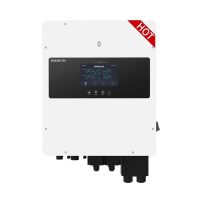
three-phase hybrid inverter
5-14kW | MARS-5-14G2-LE
- Support different power inverters parallel connection
- Independent AC input port for diesel generator
- 100% unbalanced output, each phase max. output up to 5kW
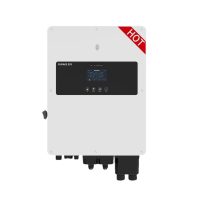
Single-phase hybrid inverter
3-10kW | JUP-3-10G2-LE
- Independent AC input port for diesel generator
- Colorful 5-inch touch LCD, IP65 protection degree
- Up to 20 PCS inverters parallel for off-grid operation
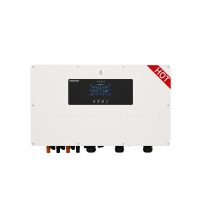
three-phase hybrid inverter
20-60kW | MERC-20-60G1-HE
- Support on/off-grid mode switch, EPS output
- Independent AC input port for diesel generator
- Up to 20 PCS inverters parallel for on/off-grid operation
three-phase Grid tie Inverter
8-20kW | CE-3P8-20KEG
- High PV Input Current Up to 18A
- High Conversion Efficiency Up to 98.6%
- Low PV Start-up Voltage, Generate Power Earlier