The Different Types of Renewable Energy
Renewable energy encompasses a diverse range of technologies, each offering unique advantages based on geographical and environmental conditions. The following are the most prominent types of renewable energy sources:
Solar Energy
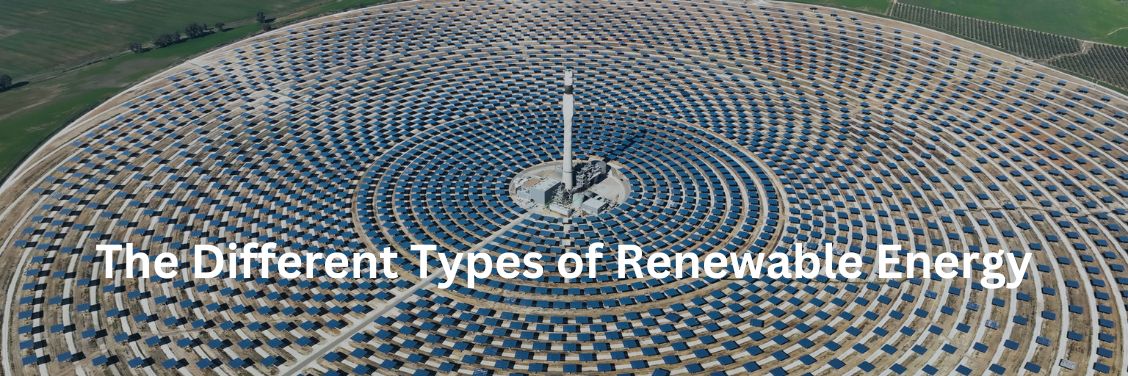
Solar energy is perhaps the most widely known and utilized form of renewable energy. It involves capturing the sun’s energy through solar panels, which convert sunlight into electricity. Solar photovoltaic (PV) systems are commonly used in residential and commercial settings, while solar thermal systems capture sunlight to produce heat for water and space heating. Solar power offers immense potential due to its abundance, with the sun being the largest source of energy available on Earth. The efficiency of solar technologies has steadily improved, and the cost of solar panels has decreased significantly over the years, making it one of the most accessible and cost-effective renewable energy options. Solar power has the advantage of being modular, scalable, and easy to deploy in various settings, from small rooftops to large solar farms.
Wind Energy
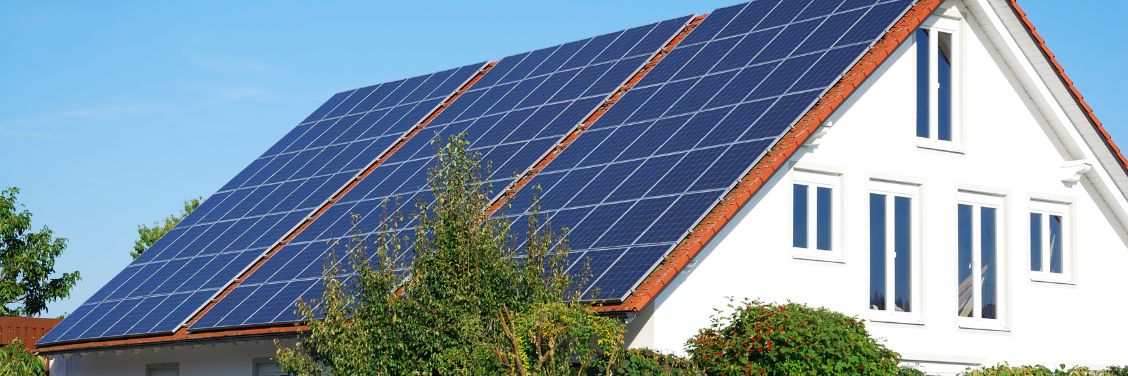
Wind energy is another rapidly growing renewable energy source, harnessing the kinetic energy of moving air to generate electricity. Wind turbines are used to capture wind energy, converting it into mechanical power, which is then used to generate electricity. The vast potential of wind energy lies in the ability to harvest it in areas with consistent and strong winds, such as coastal regions and plains. Wind farms, both onshore and offshore, are becoming increasingly common, with offshore wind farms offering even greater energy generation potential. As wind turbine technology improves, efficiency and cost-effectiveness continue to increase. Wind power is considered one of the cleanest forms of energy, as it produces no emissions or air pollutants during operation, making it a crucial component of the global renewable energy portfolio.
Hydropower
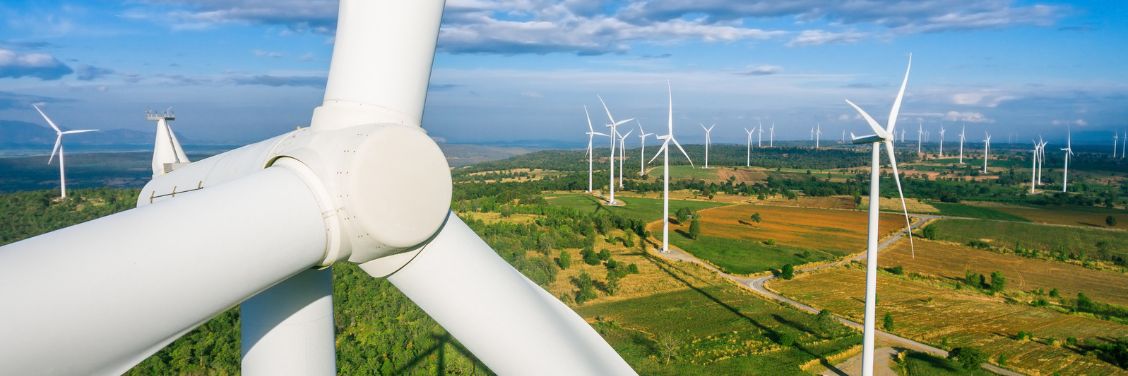
Hydropower, or hydroelectric power, is one of the oldest and most established forms of renewable energy. It involves using the energy of flowing water to generate electricity. The most common form of hydropower involves the use of dams to create a reservoir, with water released through turbines that generate power as it moves downstream. Hydropower accounts for a significant share of the world’s electricity generation and offers consistent, reliable energy. However, it is most effective in regions with access to rivers and suitable geographic conditions. The major drawback of large-scale hydropower projects is their environmental impact, as dam construction can disrupt ecosystems and displace local communities. Nonetheless, small-scale hydropower projects and run-of-river systems are emerging as more sustainable alternatives.
Biomass Energy
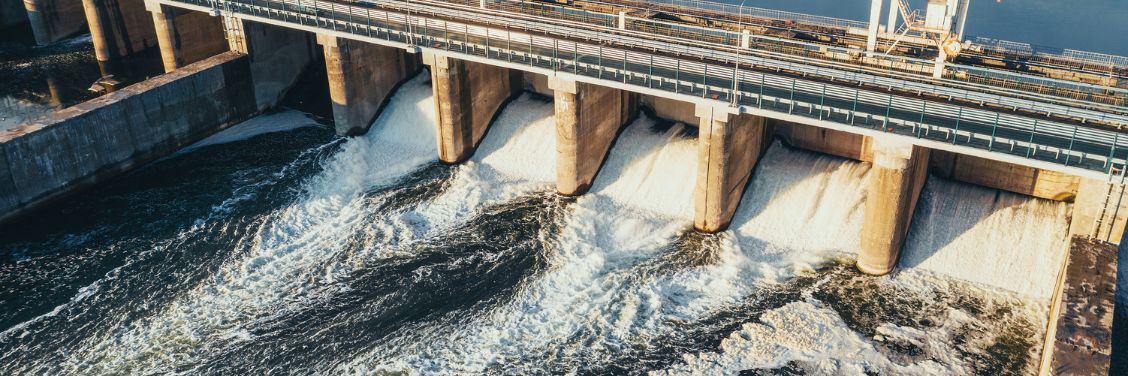
Biomass energy refers to energy derived from organic materials, such as wood, agricultural waste, and even certain types of garbage. Biomass is used either directly as fuel or converted into biogas through anaerobic digestion, which can be used for heating or electricity generation. Biomass can also be converted into biofuels like ethanol and biodiesel for transportation. One of the main advantages of biomass energy is its potential to reduce reliance on fossil fuels while using materials that might otherwise be discarded as waste. Biomass can also be a part of a circular economy, as organic waste can be reused to generate power. However, the sustainability of biomass is a topic of debate, as some biomass sources, like wood, can lead to deforestation and habitat loss if not managed responsibly.

Geothermal Energy
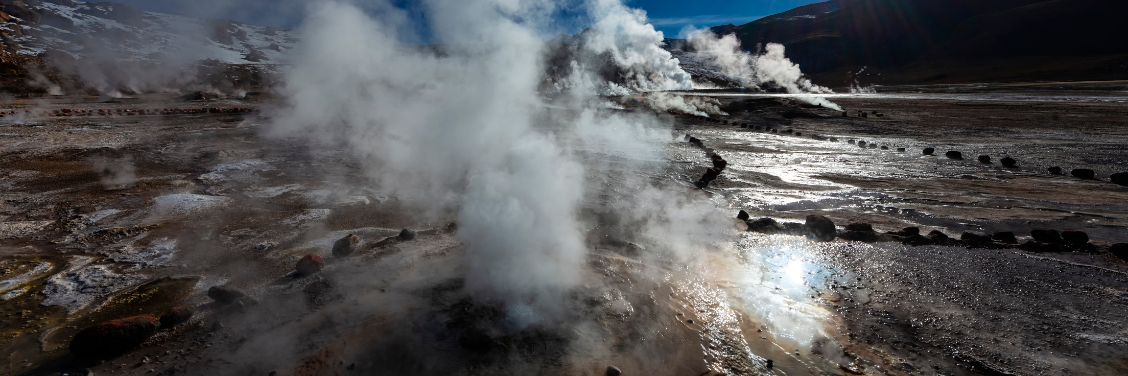
Geothermal energy harnesses the heat from beneath the Earth’s surface to generate electricity and provide direct heating. Geothermal power plants tap into hot water or steam reservoirs located deep within the Earth, which can be used to turn turbines and generate electricity. In addition to power generation, geothermal energy is also used for heating homes and businesses in certain areas, offering an efficient and sustainable alternative to traditional heating methods. Geothermal energy is particularly effective in regions with significant volcanic activity or tectonic plate movement, such as Iceland, New Zealand, and parts of the United States. The main challenge with geothermal energy is its geographical limitation, as it is not as widely available in all parts of the world.
Ocean Energy
Ocean energy includes both tidal and wave energy technologies, which harness the motion of water in oceans and seas to generate electricity. Tidal energy takes advantage of the rise and fall of ocean tides to turn turbines, while wave energy uses the motion of surface waves to generate power. Although still in the early stages of development compared to solar, wind, and hydro, ocean energy holds enormous potential, particularly for coastal countries with access to powerful waves and tides. These technologies are seen as highly promising for providing a reliable and predictable source of renewable energy. The challenges facing ocean energy include high capital costs, environmental impacts, and the need for further technological advancements to improve efficiency.