Related Articles
Solar Power Pros And Cons
Introduction to Solar Energy Adoption
Solar power has emerged as a leading contender in the global shift toward renewable energy. Harnessing photovoltaic (PV) technology, solar panels convert sunlight into electricity with increasing efficiency. While adoption rates soar, potential users must weigh the benefits against inherent limitations. This analysis explores the key pros and cons of solar energy systems.
Advantages of Solar Power
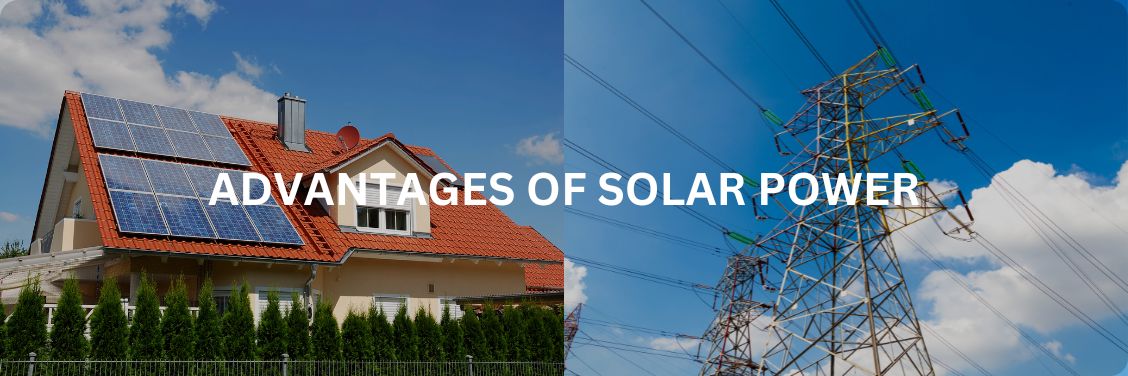
Renewable & Sustainable Energy Source
Unlike fossil fuels, solar energy is inexhaustible and emits zero greenhouse gases during operation. The sun delivers approximately 173,000 terawatts of energy to Earth continuously—far surpassing global consumption. By leveraging this abundant resource, solar power mitigates reliance on finite, polluting alternatives.
Significant Reduction in Electricity Bills
Solar installations drastically cut monthly energy expenses. Net metering programs allow excess power to be fed back into the grid, earning credits. Over time, the return on investment (ROI) compensates for upfront costs, particularly in sun-rich regions.
Low Maintenance & Long-Term Reliability
Modern solar panels require minimal upkeep—occasional cleaning and annual inspections suffice. With no moving parts, degradation rates are remarkably slow. Most manufacturers offer 25-year warranties, ensuring decades of consistent performance.
Government Incentives & Tax Benefits
Many governments subsidize solar adoption through tax credits, rebates, and feed-in tariffs. Policies like the U.S. Investment Tax Credit (ITC) slash installation costs by 30%, accelerating payback periods. Such incentives enhance financial viability for homeowners and businesses alike.
Disadvantages of Solar Power
High Initial Installation Costs
Despite declining prices, solar systems demand substantial upfront investment. Residential setups average 15,000–25,000 before incentives. While financing options exist, the capital outlay remains a barrier for budget-conscious consumers.
Weather Dependency & Intermittency Issues
Solar output fluctuates with cloud cover, seasonal changes, and nighttime. Without storage solutions, grid dependence persists during low-production periods. This intermittency challenges energy reliability in regions with erratic sunlight.
Space Requirements & Aesthetic Concerns
Rooftop arrays need ample, unobstructed space—a constraint for urban dwellings. Some homeowners associations (HOAs) restrict installations due to aesthetic objections. Ground-mounted systems, while flexible, consume valuable yard space.
Energy Storage Challenges
Batteries like lithium-ion or lead-acid store surplus energy but add complexity and cost. Current storage technologies face efficiency losses and finite lifespans. Innovations in solid-state batteries may soon address these limitations.