Related Articles
How To Connect Solar Panel To Inverter
Essential Safety Precautions Before Installation
Prioritizing safety is essential when installing solar components, as risks include electrocution, short circuits, and fire hazards. Wear protective gear, turn off power, and use insulated tools. Follow local electrical codes and manufacturer guidelines to prevent malfunctions. For complex setups, consult a licensed electrician.

Understanding the Components of a Solar Power System
Solar Panels
Solar panels, composed of photovoltaic (PV) cells, function by absorbing sunlight and converting it into electrical energy through the photovoltaic effect. When sunlight strikes the semiconductor material in the PV cells, it excites electrons, generating an electric current. This direct current (DC) electricity is then transmitted through wiring to be processed by the inverter, which converts it into a usable alternating current (AC). The efficiency of this conversion depends on panel quality, sunlight exposure, and system configuration.
Types of Inverters
There are several types of inverters designed to accommodate different solar installations:
String inverters
Connect multiple solar panels in series and are commonly used in large-scale residential and commercial setups. They offer cost efficiency but may suffer from performance losses if a single panel underperforms.
Microinverters
Installed on each individual solar panel, allowing independent energy conversion and optimizing system performance even in shaded conditions. They enhance reliability but are more expensive than string inverters.
Off-Grid Inverters
Designed for standalone solar systems, off-grid inverters convert DC power from solar panels into AC power for immediate use or storage in batteries. They operate independently of the utility grid, making them essential for remote locations and areas without grid access. These inverters often integrate with battery management systems to ensure stable power supply.
Grid-Tie Inverters
Specifically designed to synchronize with the utility grid, grid-tie inverters convert solar energy into AC power and feed it directly into the electrical grid. They enable net metering, allowing users to sell excess electricity back to the grid. These inverters are highly efficient but require a stable grid connection and do not function during power outages unless paired with energy storage.
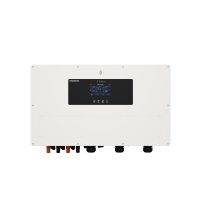
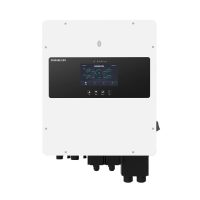
Hybrid Inverters
Hybrid inverters seamlessly integrate with battery storage systems, enabling energy storage for later use. They provide flexibility for both off-grid and grid-tied setups, ensuring backup power during outages while optimizing self-consumption of solar energy.
Other Essential Components: Charge Controllers, Batteries, and Wiring
To ensure efficient energy flow, additional components such as charge controllers, batteries, and wiring play crucial roles:
Charge controllers regulate voltage and current to prevent battery overcharging.
Batteries store excess energy for use during nighttime or grid outages.
Wiring and connectors serve as conduits, transmitting electrical energy safely and efficiently between components.

How Solar Energy Flows from Panels to Inverters
The energy flow in a solar system follows a structured pathway:
- Sunlight is absorbed by the solar panels, generating DC electricity.
- The generated power is transmitted through wiring to the inverter.
- The inverter converts DC electricity into AC power suitable for appliances or grid distribution.
- Excess energy can be stored in batteries or fed back into the grid for credit in net metering systems.
Preparing for Installation: Tools, Materials, and Safety Measures
Essential Tools and Equipment for a Seamless Connection
A successful installation requires specific tools, including:
- Multimeter for measuring voltage and continuity.
- Insulated screwdrivers and pliers for safe electrical connections.
- MC4 connectors for secure solar panel wiring.
- Torque wrench for precise tightening of electrical terminals.
- Safety gloves and protective eyewear to prevent electrical shocks.
Choosing the Right Wire Size and Connectors for Efficiency
Using the correct wire size minimizes energy losses and prevents overheating. The wire gauge must be selected based on current load and distance between the solar panels and the inverter. High-quality connectors, such as MC4 connectors, ensure weatherproof and durable electrical connections.
Safety Precautions: Avoiding Electrical Hazards and System Failures
Adhering to best practices reduces the risk of malfunctions:
- Always de-energize the system before making connections.
- Use grounding techniques to prevent electrical surges.
- Secure wiring to avoid loose connections that may cause short circuits.

Understanding System Voltage and Capacity for Optimal Performance
Matching system voltage with the inverter’s input range is crucial. Oversized voltage levels can damage the inverter, while insufficient voltage may result in inefficient performance. Proper system design considers the total wattage, battery bank (if applicable), and grid compatibility.
Step-by-Step Guide on How to Connect Solar Panel to Inverter
Identifying the Input Terminals on the Inverter
Locating and correctly identifying the DC input terminals on the inverter ensures accurate connections. Most inverters have labeled positive and negative terminals for straightforward integration.
Connecting Solar Panels in Series vs. Parallel: Which Method is Best?
- Series connectionincreases voltage while maintaining current, suitable for high-voltage inverters.
- Parallel connectionincreases current while maintaining voltage, ideal for low-voltage systems.
Choosing the right method depends on the inverter’s specifications and the energy needs of the installation.
Properly Wiring the Panels to the Inverter for Maximum Efficiency
Using appropriate wiring techniques and securing all connections reduces resistance and prevents energy losses. Ensuring that positive and negative terminals are correctly aligned avoids polarity errors that could damage the inverter.
Ensuring Secure and Stable Connections to Prevent Energy Loss
- Double-check all wiring connections before powering on the system.
- Use cable management techniques to avoid loose or exposed wiring.

Testing and Troubleshooting the Connection
How to Check for Continuity and Proper Voltage Output
Using a multimeter, verify that the voltage output aligns with the inverter’s requirements before activation.
Identifying and Fixing Common Wiring Mistakes
Loose connections, reversed polarity, or incompatible wiring can cause malfunctions. Identifying these issues early prevents long-term inefficiencies.
Using a Multimeter to Verify System Performance
Testing voltage and current flow ensures optimal power transfer and prevents unexpected system failures.
Optimizing System Performance for Long-Term Efficiency
Regular Maintenance Tips for Solar Panels and Inverters
Routine inspections, cleaning panels, and updating firmware enhance longevity and efficiency.
Monitoring Power Production with Smart Energy Tracking Tools
Modern systems include monitoring apps that provide real-time insights into power generation and consumption patterns.
Conclusion
A properly connected solar panel to an inverter ensures efficient power conversion and long-term reliability. While DIY installations are feasible for small setups, professional assistance is recommended for complex configurations. Investing in high-quality components and regular maintenance guarantees sustainable energy production for years to come.