Related Articles
Hybrid Inverter: Your Key to Energy Independence
Understanding Hybrid Inverters: The Technology Behind the Freedom
What is a Hybrid Inverter?
A hybrid inverter is an advanced power management device that integrates multiple energy sources, typically combining solar panels with the electricity grid and battery storage. This sophisticated system allows seamless switching between different energy sources, ensuring users can optimize their energy consumption and maintain a consistent power supply. Unlike traditional inverters, which merely convert DC (direct current) from solar panels to AC (alternating current) for home use, hybrid inverters offer enhanced flexibility, enabling homeowners and businesses to harness renewable energy while maintaining access to grid electricity.
How Hybrid Inverters Work: Key Components Explained
The functionality of a hybrid inverter is rooted in its intricate components. At its core lies the inverter, which performs the essential task of converting DC electricity from solar panels into usable AC electricity. Coupled with this is an energy management system (EMS), which intelligently monitors energy production and consumption, optimizing usage based on real-time data.
Batteries play a pivotal role in this configuration, storing excess energy generated during sunny periods for use during high demand or when sunlight is insufficient. Furthermore, hybrid inverters often include grid-tie capabilities, enabling users to sell surplus energy back to the grid, thereby generating additional income or credits. This multi-faceted approach maximizes energy efficiency and contributes significantly to energy independence.

The Benefits of Going Hybrid: Why Choose a Hybrid Inverter?
Energy Cost Savings: Slash Your Electricity Bills
One of the most compelling reasons to invest in a hybrid inverter is the substantial reduction in energy costs. By harnessing solar power and storing excess energy, users can dramatically decrease their reliance on the grid, significantly saving monthly electricity bills. In many cases, the initial investment in a hybrid system can be recouped within a few years, thanks to decreased utility expenses and the potential for selling excess power back to the grid.
Increased Energy Efficiency: Maximize Your Power Usage
Hybrid inverters excel in optimizing energy consumption. By intelligently managing the flow of electricity between solar panels, batteries, and the grid, these systems ensure that energy is used when it is most efficient. For instance, during peak sunlight hours, excess power can be stored in batteries for later use, reducing the need to draw from the grid during high-demand periods. This enhances overall energy efficiency and promotes a more sustainable lifestyle.
Environmental Impact: Go Green with Renewable Energy
Transitioning to a hybrid inverter system is an impactful step toward environmental sustainability. By utilizing solar energy, users reduce their carbon footprint and contribute to the global effort against climate change. Hybrid inverters facilitate the adoption of renewable energy sources, making it easier for households and businesses to move away from fossil fuels and embrace a greener future. This shift benefits the environment and aligns with the increasing societal demand for sustainable practices.
Real-Life Applications: Where Hybrid Inverters Shine
Homes: Achieving Energy Independence in Your Household
In residential settings, hybrid inverters empower homeowners to achieve energy independence. By generating and storing their power, families can significantly reduce their dependency on utility companies. This is particularly beneficial in areas with frequent power outages or high electricity rates. The ability to store energy allows households to maintain a consistent power supply, even in adverse conditions, enhancing comfort and reliability.
Small and Medium-Sized Enterprises: Boosting Business Resilience
For small and medium-sized enterprises (SMEs), hybrid inverters offer a path to energy autonomy and financial sustainability. Businesses can mitigate operational costs by utilizing solar energy, thus freeing up capital for reinvestment. Moreover, with energy independence, SMEs can maintain operations during grid failures, ensuring business continuity. The potential for substantial savings and operational resilience makes hybrid inverters attractive for forward-thinking enterprises.
Off-Grid Living: Freedom from Utility Companies
For those seeking complete autonomy, hybrid inverters are a game-changer in off-grid living scenarios. They enable individuals and communities to generate, store, and utilize their energy, eliminating reliance on traditional utility services. This independence fosters a lifestyle that is not only sustainable but also liberating, as users can thrive without the constraints of grid access.

Installation and Maintenance: Ensuring Optimal Performance
Choosing the Right Hybrid Inverter for Your Needs
Selecting the appropriate hybrid inverter requires careful consideration of several factors, including energy needs, available sunlight, and budget. Prospective users should evaluate the inverter’s capacity, the type of batteries compatible with the system, and the overall scalability for future energy demands. Consulting with professionals can provide valuable insights and ensure that the selected system aligns with specific energy goals.
Professional Installation vs. DIY: Pros and Cons
The installation of a hybrid inverter can be approached through two primary avenues: professional installation or a DIY project. While professional installation guarantees compliance with safety regulations and optimal performance, DIY installation can save costs. However, the latter requires a solid understanding of electrical systems and local codes. Weighing the pros and cons of each approach is essential for achieving a successful setup.
Routine Maintenance Tips for Longevity and Efficiency
Regular maintenance is crucial to maximizing the lifespan and efficiency of a hybrid inverter system. This includes periodic inspections of all components, such as solar panels and batteries, to ensure they function optimally. Essential practices include cleaning the solar panels to remove dust and debris, checking connections, and monitoring battery health. A proactive maintenance regimen can prevent costly repairs and enhance overall system performance.
Financing Your Hybrid Inverter: Making the Investment Worthwhile
Understanding Costs: Initial Investment vs. Long-Term Savings
The financial commitment associated with hybrid inverters can be significant, encompassing the cost of the inverter, solar panels, and installation. However, it is essential to view this as a long-term investment. Over time, the savings from reduced electricity bills and potential rebates can outweigh the initial outlay. A thorough cost-benefit analysis can illuminate the financial advantages of transitioning to a hybrid system.
Incentives and Rebates: Government Support for Energy Independence
Many governments offer incentives and rebates to encourage the adoption of renewable energy systems, including hybrid inverters. These financial incentives can significantly reduce the upfront costs, making the transition more accessible. Staying informed about available programs can enhance the economic viability of investing in a hybrid inverter, turning energy independence into an achievable goal.
Financing Options: Loans, Leases, and PACE Programs
Various financing options exist for those hesitant about the initial investment. Loans and leases can facilitate the acquisition of hybrid inverters without requiring substantial upfront capital. Additionally, Property-Assisted Clean Energy (PACE) programs allow homeowners to finance energy-efficient upgrades through property taxes. Exploring these options can help prospective users find a financing solution that aligns with their financial circumstances.
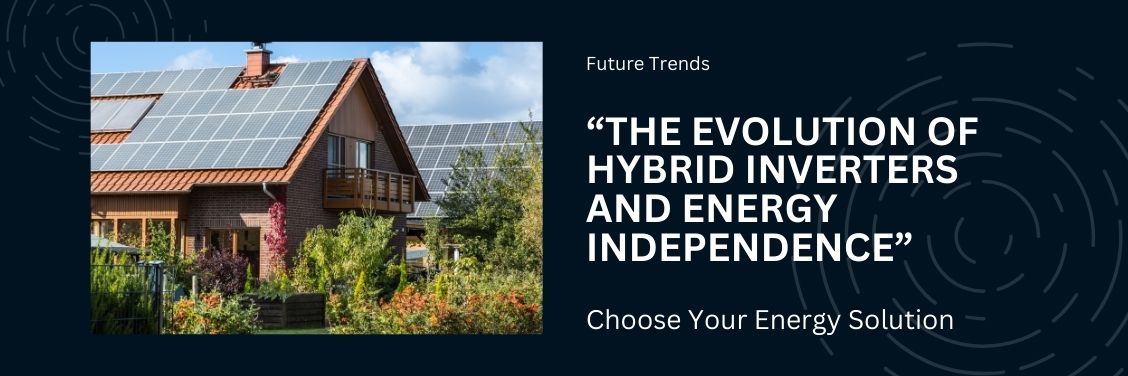
Future Trends: The Evolution of Hybrid Inverters and Energy Independence
Technological Advancements on the Horizon
As technology continues to advance, hybrid inverters are poised for significant innovations. Emerging features such as enhanced energy management algorithms, integration with smart home systems, and improved battery technologies are on the horizon. These advancements will further enhance the efficiency and usability of hybrid inverters, making them an integral part of modern energy systems.
The Role of Smart Grids and Energy Management Systems
Integrating hybrid inverters with smart grids and energy management systems will revolutionize energy consumption. By leveraging real-time data and analytics, users can optimize energy usage, predict demand fluctuations, and minimize waste. This synergy will enhance individual energy independence and contribute to a more resilient and sustainable energy infrastructure.
Predictions for the Renewable Energy Market
The future of the renewable energy market is bright, with hybrid inverters playing a crucial role in its evolution. As global awareness of climate change grows, the demand for sustainable energy solutions will increase. With their ability to combine multiple energy sources and improve efficiency, hybrid inverters will be at the forefront of this transformation, empowering individuals and businesses to embrace a cleaner, more independent energy future.
Conclusion: Taking the First Steps Toward Energy Independence
Assessing Your Current Energy Needs
The journey towards energy independence begins with a comprehensive assessment of current energy needs. Understanding consumption patterns, peak usage times, and future energy requirements will guide the selection of an appropriate hybrid inverter system. This foundational step ensures that the chosen solution effectively meets current and future demands.
The Path Forward: Transitioning to a Hybrid Inverter System
Transitioning to a hybrid inverter system requires careful planning and execution. Engaging with professionals for installation and maintenance, alongside a strategic approach to financing, can facilitate a smooth transition. As users embrace this technology, they will find themselves on a path to greater energy autonomy and sustainability.
Empowering Your Future: Why Energy Independence Matters
Energy independence is not merely a personal benefit but a broader shift towards sustainable living and environmental responsibility. By investing in hybrid inverters, individuals and businesses contribute to a collective effort to reduce reliance on fossil fuels and combat climate change. This empowerment fosters a future where energy is accessible, sustainable, and independent—an aspiration worth striving for.
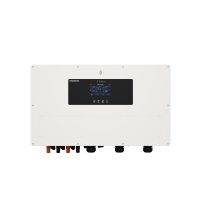
three-phase hybrid inverter
5-14kW | MARS-5-14G2-LE
- Support different power inverters parallel connection
- Independent AC input port for diesel generator
- 100% unbalanced output, each phase max. output up to 5kW
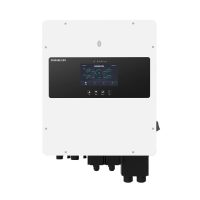
Single-phase hybrid inverter
3-10kW | JUP-3-10G2-LE
- Independent AC input port for diesel generator
- Colorful 5-inch touch LCD, IP65 protection degree
- Up to 20 PCS inverters parallel for off-grid operation
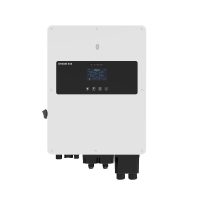
three-phase hybrid inverter
20-60kW | MERC-20-60G1-HE
- Support on/off-grid mode switch, EPS output
- Independent AC input port for diesel generator
- Up to 20 PCS inverters parallel for on/off-grid operation