Related Articles
Solar Power Systems
Solar power systems have emerged as one of the most effective ways to harness renewable energy, driving the shift towards sustainable living. A solar power system converts sunlight into usable electricity through a series of interconnected components. By adopting solar power, homeowners, businesses, and industries can reduce energy costs, decrease carbon footprints, and promote environmental sustainability.
Components of a Solar Power System
Solar Panels: The Heart of Solar Power Generation
At the core of any solar power system lie the solar panels. These devices capture sunlight and convert it into direct current (DC) electricity. Solar panels are typically composed of photovoltaic (PV) cells made from semiconductor materials, such as silicon. When sunlight hits these cells, electrons are knocked loose, generating an electric current. The efficiency of the panels is critical, with high-efficiency models capable of producing more electricity from the same amount of sunlight.
There are various types of solar panels available, including monocrystalline, polycrystalline, and thin-film, each with unique benefits and trade-offs. Monocrystalline panels are known for their high efficiency and long lifespan, making them ideal for spaces where roof space is limited. Polycrystalline panels, while slightly less efficient, tend to be more cost-effective and are often used for larger installations. Thin-film panels, though less efficient, offer flexibility in installation and are well-suited for large-scale projects.
Inverters: Converting DC Power to Usable AC Power
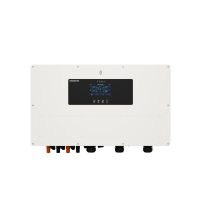
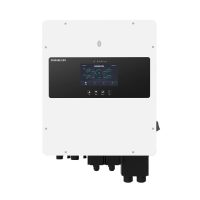
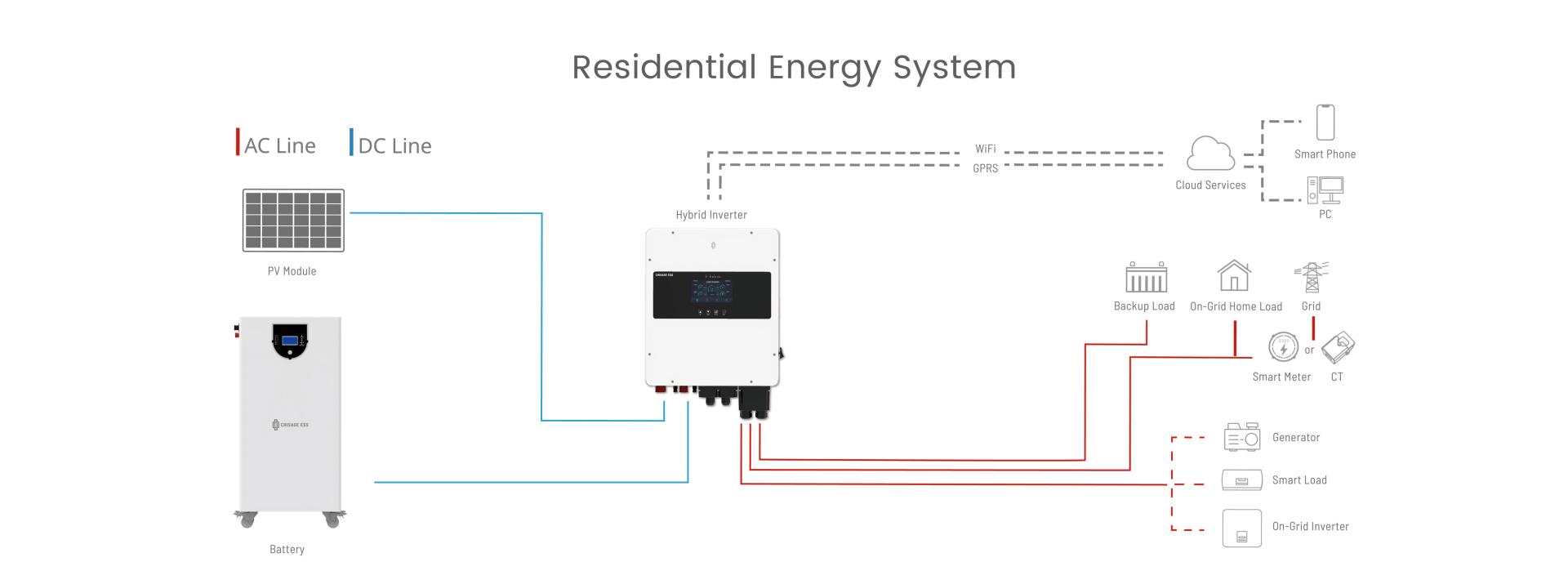
Inverters play an essential role in solar power systems by converting the DC electricity generated by the solar panels into alternating current (AC) electricity, which is the type of electricity used by most household appliances. Without an inverter, solar power would be unusable for most applications, as electrical grids typically operate on AC.
There are several types of inverters available, including string inverters, microinverters, and power optimizers. String inverters are the most common, ideal for systems with panels that receive uniform sunlight. Microinverters, attached to individual solar panels, offer enhanced performance, especially in installations with shading or irregular panel orientations. Power optimizers are devices that work in conjunction with string inverters to optimize the output of each panel, improving efficiency and maximizing energy production.
Battery Storage: Ensuring Energy Availability When the Sun Isn’t Shining
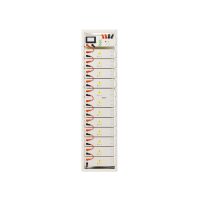
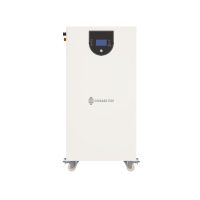
Battery storage is a key component for those who want to ensure a reliable and continuous power supply from their solar systems. Solar panels generate electricity when the sun is shining, but energy production is halted at night or during cloudy periods. Battery storage allows excess energy to be stored during the day for use at night or during low production periods.
Lithium-ion batteries are the most common storage solution due to their high energy density, long life cycles, and compact size. However, lead-acid batteries are also used in some systems, particularly in off-grid applications, as they are more affordable. Battery storage not only ensures energy availability but also provides backup power during grid outages, adding an additional layer of security and self-sufficiency to solar systems.

Types of Solar Power Systems
Grid-Tied Systems: Integrating Solar Energy with the Power Grid
Grid-tied systems are the most common type of solar power system for residential and commercial use. These systems are connected to the electrical grid, enabling excess solar energy to be fed back into the grid when production exceeds demand. In return, homeowners or businesses can receive credits or compensation through net metering, reducing overall electricity costs.
Grid-tied systems are ideal for areas with reliable access to the electrical grid and consistent sunlight. They are simpler and more cost-effective compared to off-grid systems because they do not require batteries for storage. However, the primary drawback is that they are dependent on the grid; if the grid goes down, the solar system will also be offline unless paired with a battery backup.
Off-Grid Systems: Energy Independence and Self-Sufficiency
Off-grid systems are designed to function without the need for any connection to the electrical grid. These systems are often used in remote locations where connecting to the grid is either impractical or too expensive. Off-grid solar systems require battery storage to store excess energy for use during times when sunlight is unavailable.
One of the key advantages of off-grid systems is the ability to achieve energy independence. Users can produce and store their own electricity, eliminating reliance on utility companies and reducing exposure to fluctuating energy prices. However, off-grid systems can be more expensive to install due to the need for sufficient battery capacity, and users must carefully manage their energy consumption to avoid depleting stored power.
Hybrid Systems: Combining Grid Access with Battery Storage
Hybrid solar systems combine the benefits of grid-tied and off-grid systems. These systems are connected to the grid but also feature battery storage, allowing excess energy to be stored for later use. In the event of a power outage or during low sunlight periods, the system can draw from the battery storage, ensuring continuous power supply.
Hybrid systems offer flexibility, making them an ideal solution for areas with unreliable power grids or for homeowners and businesses looking to reduce their reliance on the grid while still benefiting from net metering. The inclusion of battery storage also enhances energy security, providing backup power when needed. However, hybrid systems tend to be more expensive than grid-tied systems due to the additional costs associated with battery storage.
The Pros and Cons of Each System Type
Each type of solar power system has its advantages and disadvantages, depending on the user’s specific needs and location.
– Grid-tied systems: are cost-effective and easy to maintain, but they rely on the grid for backup power and cannot function during grid outages unless paired with battery storage.
– Off-grid systems: provide complete energy independence, making them perfect for remote locations, but they require substantial upfront investment and careful energy management.
– Hybrid systems: offer the best of both worlds, providing both grid access and battery storage, but they come with higher installation costs and complexity.
The choice of system ultimately depends on factors such as location, budget, energy needs, and the desired level of energy independence. By understanding the advantages and limitations of each system type, users can make an informed decision that aligns with their long-term goals.
In conclusion, solar power systems provide a sustainable and efficient way to harness renewable energy. By understanding the different components and system types, homeowners and businesses can select the optimal solution for their energy needs, while contributing to a cleaner and more sustainable energy future.