Related Articles
What Is Hybrid Mode in Inverter: A Simple Breakdown
Understanding Hybrid Mode: The Concept Explained
Defining Hybrid Mode in Inverters: What You Need to Know
Hybrid mode inverters represent a transformative leap in energy management technology. Unlike conventional inverters that convert direct current (DC) from solar panels to alternating current (AC) for immediate use or rely solely on the grid, hybrid inverters seamlessly integrate solar power and grid electricity. This innovative configuration allows for efficient energy storage, maximizes utility, and enhances the reliability of power systems. Understanding hybrid mode means recognizing its capability to operate using multiple energy sources, providing users unprecedented flexibility and control over their energy consumption.
Key Features of Hybrid Mode: What Makes It Unique
Their unique features set hybrid mode inverters apart from their traditional counterparts. Firstly, they boast dual functionality: they can charge batteries and supply power simultaneously, critical for maintaining energy availability during peak demand or outages. Additionally, hybrid inverters often come equipped with advanced monitoring systems, enabling users to track energy generation and consumption in real time. This data-driven approach fosters informed decision-making about energy use. Furthermore, they usually have enhanced grid-tie capabilities, allowing for smoother integration with existing infrastructure while ensuring compliance with utility regulations.

How Hybrid Mode Operates: The Mechanisms Behind the Technology
The operation of hybrid mode inverters is a symphony of advanced technology and intelligent design. At their core, these inverters utilize sophisticated algorithms to manage energy flow between solar panels, batteries, and the grid. When solar energy is abundant, the inverter directs this power to supply the home or charge the battery. Conversely, when solar generation wanes, the inverter can draw energy from the battery or the grid, ensuring a continuous power supply. This dynamic interaction allows for optimal energy use, where the inverter acts as an intelligent energy manager, balancing loads and prioritizing the most cost-effective source of electricity at any given time.
Integrating Energy Sources: Balancing Solar and Grid Power
One of the hallmark benefits of hybrid mode inverters is their ability to integrate various energy sources harmoniously. This balance is crucial for optimizing energy efficiency and reducing reliance on any single power source. In practical terms, during sunny days, excess solar energy can be stored in batteries for later use while simultaneously providing power to the home. On cloudy days or at night, the inverter can switch to battery storage or grid power, thus maintaining an uninterrupted energy supply. This integration enhances energy security and encourages the use of renewable resources, fostering a more sustainable energy ecosystem.
Benefits of Hybrid Mode: Why It Matters for Energy Efficiency
Hybrid mode inverters bring many benefits that contribute to enhanced energy efficiency. By facilitating energy storage, these devices allow users to utilize solar energy when most advantageous, effectively reducing peak demand charges. This capability leads to lower electricity bills and reduces stress on the grid during peak periods. Moreover, hybrid inverters support demand response programs, wherein users can receive financial incentives for adjusting their energy usage according to grid needs. This synergy between consumer habits and grid requirements cultivates a more resilient energy infrastructure.
Enhanced Energy Management: Optimizing Power Usage
The sophisticated energy management systems embedded in hybrid mode inverters empower users to optimize their power usage meticulously. With real-time monitoring and data analytics, users can assess their energy consumption patterns, identify areas for improvement, and adjust their habits accordingly. This proactive approach fosters energy conservation, helping households and businesses minimize waste and lower costs. Furthermore, prioritizing energy sources according to price and availability enhances overall efficiency, making hybrid-mode inverters a vital component in the journey toward energy sustainability.
Cost-Effectiveness: Saving on Energy Bills with Hybrid Mode
Investing in a hybrid-mode inverter can lead to significant cost savings over time. While the initial investment may be higher than traditional inverters, the long-term benefits outweigh the upfront costs. Users can leverage solar energy, reducing dependence on grid electricity and lowering monthly bills. Additionally, the ability to store energy for later use means consumers can avoid high electricity rates during peak hours. The financial advantages extend beyond just savings on energy bills; many regions offer incentives and rebates for solar installations, further enhancing the return on investment.
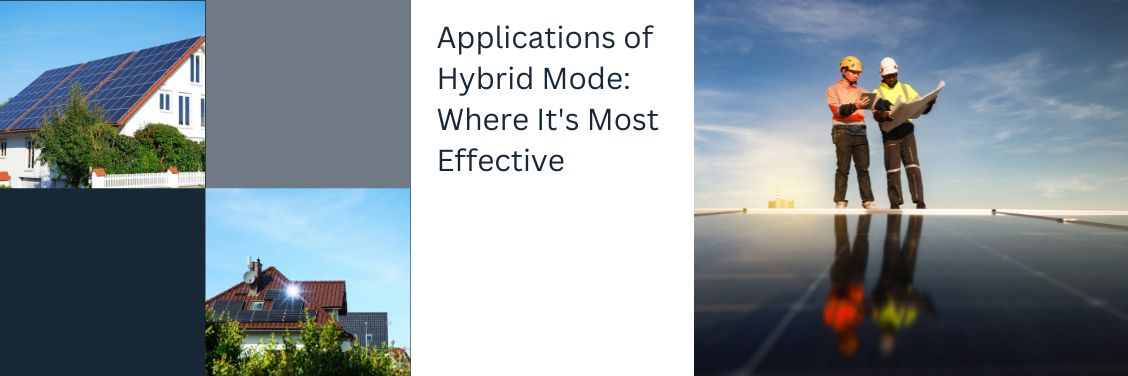
Applications of Hybrid Mode: Where It’s Most Effective
The versatility of hybrid-mode inverters makes them suitable for various applications. These devices can enhance energy management across multiple sectors, from residential to commercial enterprises. In homes, they provide reliable power supply while maximizing solar utilization. Businesses benefit from reduced operational costs and enhanced sustainability, positioning them favorably in an increasingly eco-conscious marketplace. Additionally, hybrid inverters are ideal for off-grid or remote installations, providing a dependable energy solution where traditional infrastructure may be lacking.
Residential Use: Transforming Home Energy Solutions
In residential settings, hybrid mode inverters revolutionize how households approach energy consumption. Homeowners can create a self-sufficient energy system by facilitating the integration of solar panels and battery storage. This autonomy reduces reliance on the grid and enhances resilience against power outages. With real-time monitoring and data analysis, families can optimize their energy use, making informed decisions that contribute to cost savings and environmental sustainability. This transformation empowers homeowners to take charge of their energy futures.
Commercial Applications: Enhancing Business Efficiency
For businesses, hybrid mode inverters represent a strategic investment in efficiency and sustainability. Companies can significantly lower operational costs by utilizing solar energy and reducing peak demand charges. The ability to manage energy sources dynamically allows businesses to adapt to fluctuating energy prices, maximizing profitability. Furthermore, adopting hybrid technology can enhance a company’s public image, demonstrating a commitment to sustainable practices that resonate with increasingly eco-conscious consumers.
Installation Considerations: Setting Up Hybrid Mode Inverters
Several considerations come into play when contemplating the installation of hybrid mode inverters. Proper sizing is essential to ensure that the inverter meets the specific energy demands of the home or business. Engaging with a qualified installer can provide insights into the most efficient configuration, maximizing the system’s benefits. Understanding local regulations and utility requirements is crucial for seamless integration and compliance. A well-planned installation not only enhances performance but also ensures longevity and reliability.
Choosing the Right Inverter: Factors to Consider
Selecting the appropriate hybrid inverter involves a nuanced assessment of various factors. Key considerations include the inverter’s efficiency ratings, compatibility with existing systems, and the user’s specific energy needs. Furthermore, evaluating the warranty and support options manufacturers offer is essential, as these factors can significantly impact long-term satisfaction and performance. Consulting with industry experts can provide valuable insights, guiding users toward making informed decisions that align with their energy goals.
Maintenance Best Practices: Keeping Your Hybrid Inverter Running Smoothly
Routine maintenance is paramount to ensuring the longevity and optimal performance of hybrid mode inverters. Regular inspections and cleanings help prevent operational issues and enhance efficiency. Monitoring performance metrics allows users to identify problems early, ensuring timely interventions. Furthermore, adhering to manufacturer guidelines and recommendations will facilitate a seamless operational lifespan, empowering users to reap the benefits of their investment for years to come.
Future Trends: What Lies Ahead for Hybrid Mode Technology
The future of hybrid-mode technology holds exciting possibilities as advancements in energy management continue to unfold. Innovations in battery technology promise to enhance storage capacities and efficiency, making hybrid systems even more effective. Additionally, integrating intelligent technologies will facilitate real-time energy management, allowing users to optimize consumption based on dynamic pricing and availability. As the demand for sustainable energy solutions grows, hybrid-mode inverters are poised to play a pivotal role in shaping the energy landscape.
Conclusion: Embracing Hybrid Mode for a Sustainable Energy Future
In summary, embracing hybrid mode inverters is a strategic step toward a sustainable energy future. By harnessing the power of solar energy and optimizing energy management, users can achieve greater efficiency and reduce their environmental impact. The multifaceted benefits, ranging from cost savings to enhanced resilience, position hybrid mode technology as a cornerstone of modern energy solutions.
Next Steps: How to Transition to Hybrid Mode Inverters
Transitioning to hybrid mode inverters requires thoughtful planning and execution. Assessing energy needs, evaluating system compatibility, and engaging qualified professionals for installation are critical steps in this process. Additionally, educating oneself about available incentives and financing options can ease the transition. With the right approach, users can unlock the myriad benefits of hybrid mode inverters, paving the way for a more sustainable and efficient energy future.
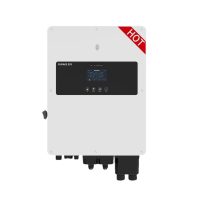
three-phase hybrid inverter
20-60kW | MERC-20-60G1-HE
- Support on/off-grid mode switch, EPS output
- Independent AC input port for diesel generator
- Up to 20 PCS inverters parallel for on/off-grid operation
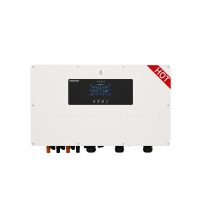
three-phase hybrid inverter
5-14kW | MARS-5-14G2-LE
- Support different power inverters parallel connection
- Independent AC input port for diesel generator
- 100% unbalanced output, each phase max. output up to 5kW
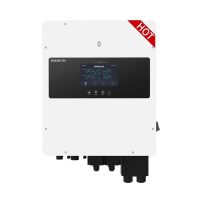
Single-phase hybrid inverter
3-10kW | JUP-3-10G2-LE
- Independent AC input port for diesel generator
- Colorful 5-inch touch LCD, IP65 protection degree
- Up to 20 PCS inverters parallel for off-grid operation