Related Articles
The Benefits of Using a Grid Tie Inverter for Your Home
The Importance of Grid Tie Inverters in Modern Homes
What is a Grid Tie Inverter and How Does it Work?
A grid tie inverter, also known as a grid-connected inverter, is a key component in solar power systems that connects your solar energy setup directly to the electric grid. This device plays a crucial role in converting the direct current (DC) electricity generated by your solar panels into alternating current (AC), which is the form of electricity used in homes and businesses. Unlike standalone or off-grid systems, grid tie inverters synchronize with the grid, enabling your system to feed excess energy back into the grid when solar production exceeds your usage.
In essence, the grid tie inverter ensures that your solar system can work in tandem with the power grid, optimizing energy efficiency by using solar energy when available and relying on grid power when necessary.
The Role of Grid Tie Inverters in Connecting Your Solar System to the Grid
The primary function of a grid tie inverter is to create a seamless connection between your home’s solar system and the utility grid. This connection facilitates the two-way exchange of electricity. When your solar panels generate more electricity than you need, the inverter channels this excess power back into the grid, often giving you credit through net metering. In times when solar energy production is low (like during the night or cloudy weather), the inverter draws electricity from the grid to ensure a constant power supply to your home.
This connection makes grid tie inverters the perfect solution for homeowners who want to reduce energy bills while remaining connected to a reliable power source when needed.
Why Grid Tie Inverters Are Essential for Sustainable Home Energy
Grid tie inverters are vital for transforming your home’s solar system into a sustainable energy solution. By harnessing the power of the sun, they reduce reliance on fossil-fuel-based electricity, thereby lowering your carbon footprint and contributing to a greener future. These inverters allow homeowners to take full advantage of renewable solar energy without having to invest in expensive battery storage systems.
Additionally, grid tie inverters ensure that solar energy is used efficiently, feeding excess energy back to the grid where it can be used by others, fostering a more decentralized and sustainable energy grid.
Maximizing Energy Savings: How Grid Tie Inverters Lower Your Utility Bills
Reducing Energy Costs by Using Solar Power Directly
One of the primary reasons homeowners install grid tie inverters is the significant cost savings they offer. By generating your own electricity through solar power, you reduce the amount of energy you need to purchase from the grid. This can result in substantial savings on monthly utility bills, especially as solar panel systems continue to become more affordable.
Grid tie inverters allow you to use solar energy directly when it’s available, making it the most cost-effective way to harness the sun’s power. In areas with high electricity rates, these savings can be even more pronounced, as solar power can replace a substantial portion of the power typically drawn from the grid.
The Power of Net Metering: Turning Excess Energy into Credit
Net metering is a key benefit of using a grid tie inverter. When your solar system generates more electricity than you need, the inverter feeds this excess energy back into the grid, and you receive credits for it. These credits can offset the cost of power you pull from the grid when solar production is insufficient.
This means you are effectively reducing your electricity bill by using the excess solar energy generated during the day to offset nighttime or cloudy-day electricity usage. Over time, these credits can significantly lower overall energy costs, making solar energy not just a sustainable choice but an economically smart one as well.
Balancing Solar Production with Grid Consumption for Maximum Savings
Grid tie inverters help maintain a balance between solar energy production and grid consumption. During periods of high solar output, such as sunny afternoons, excess energy is sent to the grid, saving it for later use. Conversely, during times when energy demand exceeds solar generation, the inverter seamlessly draws power from the grid.
This ability to adjust to varying energy production ensures that you are always maximizing your solar potential, while minimizing reliance on grid electricity, thus optimizing savings over the long term.
Seamless Integration: How Grid Tie Inverters Ensure Efficient Power Flow
The Technical Process: How Energy Flows Between Your Solar System and the Grid
The grid tie inverter acts as the intermediary between your home’s solar system and the grid. When the solar panels generate DC electricity, the inverter converts it into usable AC power. If the solar production exceeds your home’s needs, the inverter feeds this surplus energy into the grid. The grid then compensates you via net metering, turning your solar power into a resource for the community.
When your system isn’t producing enough electricity (e.g., during the night), the inverter automatically switches to the grid, providing uninterrupted power to your home. This efficient process ensures that you always have access to energy while minimizing waste.
Real-Time Energy Management: Monitoring and Optimizing Power Usage
Modern grid tie inverters come equipped with intelligent monitoring systems that allow homeowners to track their energy usage in real-time. These systems provide insights into solar power production, energy consumption, and how much power is being fed into or drawn from the grid.
This monitoring capability allows you to adjust your consumption habits to optimize the use of solar power. For example, running energy-intensive appliances during the day, when solar production is at its peak, maximizes the amount of solar energy used and reduces reliance on the grid.
Achieving Energy Autonomy While Staying Connected to the Grid
While grid tie inverters help integrate solar power with the grid, they also provide a level of autonomy. By efficiently utilizing solar energy when available and reducing grid dependence when possible, homeowners achieve a greater degree of energy independence. The system enables you to rely on solar power for most of your daily needs, only drawing from the grid when necessary.
This integration creates an optimal balance between self-sufficiency and security, providing peace of mind knowing that you are contributing to renewable energy while staying connected to the grid for support.
Reliability and Flexibility: How Grid Tie Inverters Offer Stability and Scalability
Ensuring Continuous Power Supply: Grid Backup When Solar Power is Insufficient
The greatest benefit of a grid tie inverter is its ability to provide continuous power, regardless of solar production. Even when the sun isn’t shining, the inverter automatically switches to the grid to meet your energy demands. This seamless transition ensures that your home remains powered without interruption, making it a reliable solution for day-to-day energy needs.
During periods of high energy demand or inclement weather, grid tie inverters allow your system to balance solar generation and grid power, providing stability and reducing the risk of power outages.
Expanding Your System: How Grid Tie Inverters Adapt to Growing Energy Demands
As your energy needs grow, a grid tie inverter offers scalability. You can easily expand your solar system by adding more panels, batteries, or inverters without having to overhaul the entire infrastructure.
This scalability is particularly important for homeowners planning for future energy needs. Whether adding new appliances, upgrading your system, or transitioning to a larger home, a grid tie inverter can seamlessly accommodate these changes without major modifications to the grid connection.
The Benefits of Having an Always-On Connection with the Grid
The always-on connection with the grid provides flexibility and security. You’re never completely reliant on solar energy, but rather have access to both your self-generated energy and grid power. This dynamic allows for better power management and ensures that your home is always adequately powered, even in situations where solar energy production is insufficient.
Environmental Impact: Supporting Sustainability and Reducing Your Carbon Footprint
How Grid Tie Inverters Enable the Use of Renewable Energy at Home
By connecting your solar system to the grid, grid tie inverters enable you to make full use of renewable energy. As more homeowners adopt solar power, the collective reduction in fossil fuel consumption contributes to cleaner air, a smaller carbon footprint, and a more sustainable future.
Grid tie systems enable solar energy to be efficiently used, reducing overall reliance on traditional energy sources, and making your home a part of a larger movement toward green energy solutions.
Lowering Carbon Emissions and Promoting Clean Energy Solutions
Grid tie inverters play a crucial role in lowering carbon emissions. By enabling households to use solar energy instead of grid power generated from fossil fuels, these systems directly contribute to reducing greenhouse gas emissions. Every kilowatt-hour of solar energy used instead of grid electricity is a step toward a more sustainable, carbon-neutral future.
The Positive Environmental Effects of Home Solar Integration
The broader environmental impact of using grid tie inverters is substantial. By supporting the use of clean, renewable energy, these inverters help reduce the negative effects of energy production on the planet. They contribute to a shift away from polluting, non-renewable energy sources, aligning with global efforts to combat climate change and protect the environment for future generations.
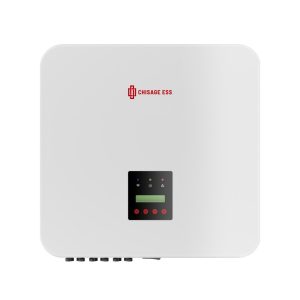
single phase grid tie inverter
3-6kW | CE-1P3-6KEG
- IP66 protection degree
- High PV input current, up to 18A
- Low PV start-up voltage, generate power earlier
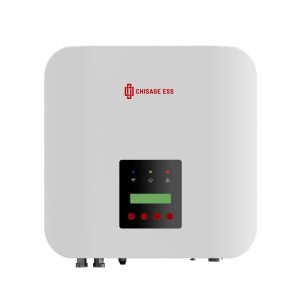
three-phase Grid tie Inverter
8-20kW | CE-3P8-20KEG
- High PV Input Current Up to 18A
- High Conversion Efficiency Up to 98.6%
- Low PV Start-up Voltage, Generate Power Earlier