Related Articles
What Does A Grid Connected Inverter Do
Understanding the Role of Grid Connected Inverters
Defining a Grid Connected Inverter: What It Is and How It Works
A grid-connected inverter, also known as a grid-tie inverter, is a fundamental component of solar power systems. It converts the direct current (DC) generated by solar panels into alternating current (AC), the form of electricity used in homes and businesses. But the role of a grid-tie inverter doesn’t stop at conversion. It acts as the bridge between your solar energy system and the power grid, enabling excess solar energy to be fed back into the grid for either credit or profit, depending on your region’s net metering policies. This inverter ensures that the power you generate is safely and efficiently converted, synchronized with the grid, and distributed where it’s needed, optimizing the performance of your entire solar power system.
The Importance of Grid Connection in Solar Power Systems
A grid connection is essential for solar systems that aim to be cost-effective and energy-efficient. It allows homeowners to benefit from both their solar power generation and the reliability of the utility grid. When your solar panels generate more energy than your home consumes, the excess is sent to the grid, often earning you credits or financial compensation. In return, when solar production is insufficient—such as during the night or on cloudy days—the grid ensures that your home still has a continuous power supply. This synergy between solar production and the grid provides both stability and flexibility, making solar energy a reliable and efficient source of power.
Why Grid Connected Inverters Are Essential for Modern Homes
Grid-connected inverters are increasingly becoming an essential part of modern homes, especially as more homeowners turn to solar energy to reduce energy costs and environmental impact. Unlike off-grid systems, grid-tie inverters enable homes to be partially independent of the utility grid, while still benefiting from its backup power when needed. These inverters also allow for the seamless integration of solar energy into a household’s existing power supply, making them an easy and cost-effective solution for achieving energy savings and sustainability goals. In essence, they empower homeowners to harness renewable energy efficiently while remaining connected to the grid for supplementary support.
How a Grid Connected Inverter Works: The Technical Process
Converting Solar Power: From DC to AC Electricity
Solar panels generate DC electricity by capturing sunlight and converting it into electrical energy. However, most household appliances run on AC electricity, which is where the grid-connected inverter plays a pivotal role. The inverter’s primary function is to convert the DC power from the solar panels into AC power that is compatible with the electrical grid and household devices. This conversion is crucial because without it, the power generated by your solar system would be unusable for your everyday needs. In addition to the basic conversion, modern inverters also optimize the power output to ensure that every watt of energy is utilized efficiently.
Synchronizing with the Grid: Ensuring Smooth Power Flow
Once the DC is converted to AC, the grid-tie inverter ensures that the generated electricity is synchronized with the power grid. This synchronization is essential because it ensures that the energy sent back into the grid matches its frequency and voltage, preventing any disruptions or damage to the electrical system. The inverter continuously monitors the grid’s frequency and voltage, adjusting the output of your solar system to match these parameters. This dynamic adjustment is crucial for maintaining a smooth, stable flow of energy, allowing your home’s solar system to seamlessly integrate with the grid.
How the Inverter Balances Solar Generation and Grid Demand
The grid-connected inverter is designed to balance the solar energy you generate with the demand of your home and the grid. During the day, when solar energy production is at its peak, the inverter sends excess electricity to the grid, reducing your reliance on grid power. However, when the solar system is not producing enough energy, such as at night or during overcast weather, the inverter draws power from the grid to meet your needs. This bidirectional flow of energy ensures that your home always has a reliable power supply while maximizing the use of solar energy during peak sunlight hours.
Maximizing Efficiency and Energy Savings with a Grid Connected Inverter
Reducing Energy Bills: How Excess Solar Power is Utilized
One of the key benefits of a grid-tie inverter is the ability to reduce your energy bills. When your solar system generates more electricity than you need, the excess is sent to the grid, effectively offsetting the power you pull from the grid during periods of low solar generation. This “export” of surplus power is typically compensated through net metering, where you earn credits for the energy you contribute. Over time, these credits can accumulate, reducing your overall electricity costs. This mechanism helps maximize the efficiency of your solar system and ensures that no energy goes to waste.
Net Metering: Turning Surplus Energy into Credits or Income
Net metering is a key feature that enhances the financial benefits of grid-tie inverters. When your solar system produces more energy than your home can consume, the inverter sends the surplus back to the grid, and you receive credits that can offset the cost of electricity drawn from the grid. In some regions, you may even receive a financial payout for the excess energy you supply to the grid. Net metering allows you to capitalize on your solar production, effectively turning your home into a small power generator that earns credits or income. This system can result in significant long-term savings, making solar energy a wise investment.
Optimizing Energy Use: Using Solar Power When It’s Most Efficient
Grid-connected inverters optimize the use of solar energy by ensuring that it’s consumed when it’s most abundant. For example, your solar system will power your home directly during the day when sunlight is strong, reducing your reliance on grid power. This self-consumption maximizes the use of free, renewable energy while lowering your energy costs. Additionally, grid-tie inverters often come equipped with monitoring capabilities, allowing you to track your solar production in real-time and adjust energy consumption patterns accordingly. By running energy-intensive appliances during peak solar hours, you can further enhance your energy savings.
The Benefits of Grid Connected Inverters for Homeowners and Businesses
Cost-Effectiveness: Lower Initial Investment Compared to Off-Grid Systems
One of the major advantages of grid-connected inverters is their cost-effectiveness. Compared to off-grid systems, which require extensive battery storage, a grid-tie inverter allows you to avoid the high upfront costs associated with batteries. With a grid-tie system, the need for costly storage is eliminated because any excess energy can be fed back into the grid, which acts as a virtual battery. This makes grid-connected solar systems more affordable and practical for homeowners who want to benefit from solar energy without the significant investment of off-grid solutions.
Seamless Backup Power: How Grid Connection Ensures Reliability
Another key benefit of grid-tie inverters is the reliability they provide through grid connection. When solar generation is insufficient, such as on cloudy days or during the night, the inverter seamlessly draws power from the grid to meet your needs. This ensures that your home or business always has power, even when your solar system isn’t producing enough energy. Grid-connected systems are particularly beneficial in areas where power outages are common, as they can help maintain a stable supply of electricity without relying on expensive battery storage.
Environmental Impact: Reducing Carbon Footprint with Solar Integration
Grid-connected inverters help reduce your carbon footprint by enabling the use of clean, renewable solar energy. By generating power from the sun rather than fossil fuels, you significantly reduce the greenhouse gas emissions associated with traditional energy production. Furthermore, feeding excess solar energy back into the grid helps lower the overall demand for non-renewable energy, contributing to a greener and more sustainable energy grid. This dual benefit of personal energy savings and environmental impact makes grid-tie inverters an essential tool in the fight against climate change.
Grid-connected inverters play an essential role in maximizing the efficiency, reliability, and sustainability of solar power systems. With their ability to integrate seamlessly with the grid, reduce energy costs, and provide backup power, they represent a crucial technology in the transition to renewable energy. Whether for residential or business use, grid-tie inverters offer an accessible and scalable solution for anyone looking to harness the power of solar energy.
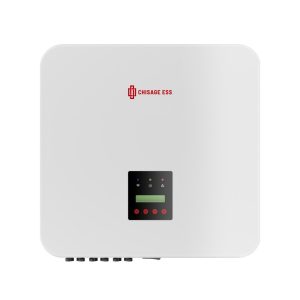
single phase grid Connected inverter
3-6kW | CE-1P3-6KEG
- IP66 protection degree
- High PV input current, up to 18A
- Low PV start-up voltage, generate power earlier
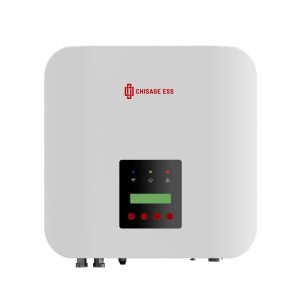
three-phase Grid Connected Inverter
8-20kW | CE-3P8-20KEG
- High PV Input Current Up to 18A
- High Conversion Efficiency Up to 98.6%
- Low PV Start-up Voltage, Generate Power Earlier