Related Articles
How Micro Inverters Optimize Solar Performance in Every Panel
Introduction: Understanding the Importance of Solar Optimization
Why Solar Performance Matters: Maximizing Energy Output
In a world increasingly dependent on renewable energy sources, maximizing the efficiency of solar power systems is more crucial than ever. Solar energy offers numerous environmental and financial benefits, only if harnessed effectively. Optimizing solar performance goes beyond merely capturing sunlight; it ensures every panel works at its peak capacity, converting as much sunlight into usable electricity as possible. Energy efficiency is the key to reducing electricity costs, decreasing reliance on the grid, and contributing to a sustainable future. With advancements in solar technology, one of the most significant ways to maximize energy output is using micro inverters.
The Role of Inverters in Solar Energy Systems
Inverters play a fundamental role in any solar energy system by converting the direct current (DC) electricity generated by solar panels into alternating current (AC), the form of electricity used in homes and businesses. In traditional solar systems, a central or string inverter typically serves this function for all panels in the array. While effective, these inverters can create inefficiencies when panels operate at different outputs. Micro inverters offer a more advanced solution, converting the DC to AC at the panel level, ensuring that each panel works independently for maximum efficiency. This transformation is crucial for optimizing the overall performance of a solar system.
What Are Micro Inverters and How Do They Work?
Defining Micro Inverters: The Key to Individual Panel Efficiency
A micro inverter is a compact, decentralized inverter installed on each solar panel in a photovoltaic (PV) system. Unlike traditional string inverters, which manage multiple panels together, micro inverters optimize the output of each panel separately. This individual panel-level optimization allows solar power systems to overcome many inefficiencies from shading, dirt buildup, or panel mismatches. Micro inverters ensure that each panel operates at its full potential, resulting in a more efficient and reliable energy system. By converting DC to AC directly at the panel, they minimize energy losses caused by long wire runs and centralized conversions.
How Micro Inverters Convert Power: From DC to AC in Every Panel
Micro inverters are designed to perform the critical function of converting DC to AC on-site at the panel. Solar panels generate DC power when sunlight hits their cells, but this DC electricity is not directly usable by most household appliances, which run on AC power. The micro inverter immediately converts the DC from the panel into AC power, which can then be used by the home or business directly or fed back into the grid. This on-the-spot conversion enhances overall system efficiency and eliminates the need for long-distance power transmission losses that occur with traditional inverters. The conversion process is fast, efficient, and tailored to the performance of each panel, ensuring minimal waste and maximum energy capture.
The Advantage of Panel-Level Power Conversion
The primary advantage of micro inverters lies in their ability to optimize energy production on a panel-by-panel basis. The performance of the weakest panel in the array typically limits traditional string inverters. The entire string suffers reduced output if one panel is shaded or damaged. In contrast, micro inverters ensure that each panel operates independently, meaning the performance of one panel does not affect the others. This independent operation increases the system’s overall energy output, especially in conditions where shading, dirt, or misalignment might otherwise reduce energy efficiency. By enabling each panel to work at its maximum potential, micro inverters significantly enhance the performance and reliability of a solar energy system.
Maximizing Solar Efficiency: The Micro Inverter Advantage
Reducing Energy Losses: Optimizing Each Solar Panel’s Output
Micro inverters are a game-changer in reducing energy losses in solar systems. In a typical string inverter setup, if one panel experiences a reduction in performance due to shading or dirt, the entire string’s output is affected. Each panel operates independently with micro inverters, ensuring that even if one panel is underperforming, the rest continue to function optimally. This system-wide optimization results in a noticeable reduction in energy losses and maximizes the overall energy yield. By converting DC to AC at the panel level, micro inverters eliminate extended wire losses, further improving system efficiency.
How Micro Inverters Prevent Shading and Panel Mismatch Issues
Shading is one of the most common challenges for solar panel systems. A tree branch or a cloud can reduce the output of a single panel, and with traditional string inverters, this can drag down the performance of the entire array. Micro inverters prevent this issue by allowing each panel to operate independently. If one panel is shaded, it does not affect the output of other panels, thus preventing the whole system from being compromised. Additionally, micro inverters address panel mismatch, which occurs when panels of different ages or efficiencies are placed together. Each panel is optimized individually with micro inverters, so any variations in panel performance are accounted for, ensuring that all panels work at their maximum potential.
Boosting Performance in Low-Light Conditions
Micro inverters also excel in low-light conditions, common in the early morning, late afternoon, or cloudy days. Traditional inverters often struggle to convert energy efficiently in these conditions because the system relies on the collective output of all panels. Micro inverters, on the other hand, optimize each panel’s performance based on its specific exposure to sunlight. This ability allows them to extract the maximum energy, even in less-than-ideal conditions. Micro inverters boost performance during low-light hours and provide a more consistent and reliable energy supply throughout the day.
Micro Inverters vs Traditional Inverters: A Comparative Look
The Limitations of String Inverters and Their Impact on Efficiency
While string inverters have been the traditional choice for solar power systems, they have several limitations. The most significant drawback is their reliance on the weakest panel in the system. If one panel is shaded, dirty, or underperforming for any reason, the performance of the entire string suffers. This inefficiency can lead to considerable energy losses, especially in larger systems with multiple panels. Additionally, string inverters are limited by the length of wiring and the distance between the panels and the inverter, further contributing to power loss. This centralized approach to power conversion often results in suboptimal energy production, especially in systems with complex layouts or uneven panel performance.
Why Micro Inverters Outperform String Inverters in Real-World Conditions
Micro inverters outperform string inverters in real-world conditions because they allow for panel-level optimization. In environments where shading, dirt, or panel mismatches are common, micro inverters ensure the system continues functioning efficiently despite these challenges. The ability to address individual panel performance means the overall system output is much more reliable. Moreover, micro inverters make it easier to expand solar systems over time. Since each panel is independent, adding new panels to the system does not require redesigning or replacing existing inverters, making micro inverters a more scalable solution.
Long-Term Benefits: Energy Savings, System Reliability, and Maintenance
The long-term benefits of micro inverters extend far beyond energy efficiency. Over time, the reduced energy loss and optimized panel performance result in significant savings on electricity bills. Because micro inverters are more efficient at harnessing solar energy, they pay for themselves faster than traditional inverters. Additionally, micro inverters tend to have a longer lifespan than string inverters, reducing the frequency of maintenance and replacement costs. Their modular design makes them easier to maintain, as individual inverters can be replaced without affecting the entire system. This reliability and longevity make micro inverters a wise investment for residential and commercial solar installations.
Applications and Benefits of Micro Inverters in Solar Installations
Residential Use: How Homeowners Benefit from Micro Inverters
Homeowners looking to optimize their solar energy systems will find micro inverters particularly beneficial. They enable each panel to operate efficiently, maximizing energy production regardless of shading or panel age. Additionally, micro inverters provide homeowners with detailed monitoring capabilities, allowing them to track the performance of each panel individually. This transparency helps homeowners identify potential issues early and ensure their solar system always operates at peak performance. For those looking to expand their system in the future, micro inverters also make it easy to add new panels without any complications.
Commercial Use: Scaling Solar Systems with Micro Inverter Technology
Micro inverters are also highly effective for commercial solar installations. Due to shading or panel mismatches, traditional string inverters can experience significant performance losses in more extensive systems with numerous panels. Micro inverters mitigate this risk by optimizing each panel’s performance individually. This capability makes them particularly useful in commercial settings where the energy demands are higher and system reliability is critical. Additionally, micro inverters are easily scalable, allowing businesses to expand their solar systems as energy needs grow without major system overhauls.
Simplified Monitoring: Tracking Performance with Micro Inverters
One of the standout features of micro inverters is the ability to monitor each panel’s performance individually. Many micro inverter systems have built-in monitoring tools, enabling users to track real-time energy production. This feature is handy for identifying issues with specific panels, such as shading or malfunctions. By providing detailed data on the performance of each panel, micro inverters allow for proactive maintenance, ensuring the system is always running efficiently. This ability to monitor and optimize solar energy usage in real time adds a layer of convenience and control, making micro inverters a more user-friendly choice for residential and commercial solar systems.
Conclusion: Why Micro Inverters Are Essential for Modern Solar Systems
The Future of Solar Optimization: The Increasing Role of Micro Inverters
As solar technology advances, micro inverters’ role in optimizing solar systems will only grow. Their ability to maximize energy production, reduce energy losses, and improve system reliability makes them essential to modern solar installations. With the push toward
more sustainable and efficient energy solutions, micro inverters are positioned to play a significant role in the global transition to renewable energy.
Final Thoughts: Investing in Micro Inverters for Maximum Solar Efficiency
Micro inverters represent the future of solar energy optimization. By improving energy conversion at the panel level, addressing shading and mismatches, and offering scalability and monitoring capabilities, they ensure that solar systems operate at their full potential. For homeowners and businesses looking to invest in solar energy, micro inverters provide an innovative, long-term solution for maximizing energy efficiency, reducing costs, and contributing to a greener, more sustainable future.
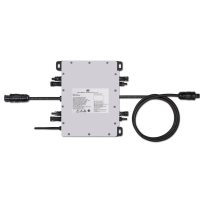
2 MPPTs Micro Inverter
800W | Ant-800G1
- Remote WiFi monitor
- IP67 protection degree
- Individual MPPT tracking
- Support parallel operation
- Cost-effective easy operation
- High reliability and efficiency up to 96%
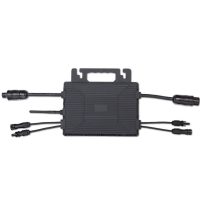
4 MPPTs Micro Inverter
2000W | Ant-2000G1
- Remote WiFi monitor
- IP67 protection degree
- Individual MPPT tracking
- Support parallel operation
- Cost-effective easy operation
- High reliability and efficiency up to 96%