Related Articles
How MPPT Solar Converter Maximizes Solar Efficiency
Understanding MPPT Technology and Its Importance
What is MPPT Technology? A Brief Overview
Maximum Power Point Tracking (MPPT) is a sophisticated algorithm used in modern solar power systems to optimize the performance of photovoltaic (PV) modules. It is designed to continuously adjust the operating point of solar panels to ensure they produce the maximum power. When solar panels are exposed to sunlight, their electrical output varies depending on factors such as the intensity of sunlight, temperature, and the angle of the panels. MPPT works by tracking the “maximum power point” (MPP)—the combination of voltage and current at which the solar panel produces its highest possible power.
The technology ensures that the inverter, which converts the DC power generated by the panels into usable AC electricity, operates most efficiently. By maintaining the system at its maximum power point, MPPT minimizes energy losses that would occur if it operated at a fixed voltage. This dynamic adjustment process enables the solar system to adapt to fluctuating environmental conditions and optimize energy harvest, ultimately increasing the system’s overall efficiency.
The Role of MPPT in Solar Systems: Why It Matters for Efficiency
The efficiency of a solar system is determined by the amount of energy it can generate relative to the sunlight it receives. MPPT plays a critical role in this equation by ensuring that every bit of energy the solar panels captures is effectively converted into usable electricity. Without MPPT, solar systems would operate at less-than-optimal levels, particularly when the intensity of sunlight fluctuates throughout the day or in response to weather changes.
By constantly adjusting the voltage to match the optimal power point, MPPT technology ensures that the system always operates at peak efficiency, even in suboptimal sunlight conditions such as early morning, late afternoon, or cloudy weather. In essence, MPPT boosts the system’s overall performance by reducing energy losses and maximizing energy capture, making it an indispensable technology for high-performing solar installations.
How MPPT Solar Converters Enhance Solar Performance
MPPT solar converters significantly enhance solar performance by providing a more intelligent, adaptive approach to energy conversion. Instead of relying on a static voltage set by traditional inverters, MPPT systems adjust continuously to environmental conditions. This dynamic capability ensures that the inverter can consistently extract the maximum energy from the solar panels, regardless of changing light levels or temperatures.
Furthermore, MPPT technology also enhances system longevity. By optimizing energy conversion and reducing strain on the system, MPPT inverters help solar panels operate more consistently and reliably. This consistency ensures that the system remains efficient throughout its lifespan, making it a wise investment for homeowners and businesses.
The Science Behind MPPT Solar Converters
How MPPT Solar Converters Track Maximum Power Points
MPPT solar converters track the maximum power point by analyzing the relationship between the voltage and current output of the solar panels. The key idea is that solar panels have a unique “voltage-current” curve, and there exists a specific point on that curve—called the maximum power point—where the combination of voltage and current results in the highest possible power output.
MPPT controllers utilize algorithms to track this PowerPoint, adjusting the panel’s operating voltage and current in real time to ensure the system always operates at its peak. Some of the most common MPPT algorithms include the Perturb and Observe (P&O) method and the Incremental Conductance (IncCond) method, each of which adjusts the voltage and measures the resulting change in power output. These algorithms are designed to find the optimal point quickly and efficiently, making real-time adjustments as sunlight conditions change.
The Relationship Between Solar Panel Output and MPPT Algorithms
The relationship between solar panel output and MPPT algorithms is crucial for ensuring efficient energy conversion. Solar panels produce different amounts of power depending on the light conditions, temperature, and other environmental factors. MPPT algorithms constantly evaluate the electrical characteristics of the solar panel—voltage and current—and adjust the operating point to keep the panel at its optimal efficiency level.
For example, during periods of low sunlight, the panel’s voltage and current decrease, and the MPPT algorithm adjusts accordingly to find the maximum power point for those conditions. The algorithm recalculates the optimal voltage and current as sunlight increases, ensuring that the system operates most efficiently. By continuously tracking and adjusting to these fluctuations, MPPT algorithms help solar systems maximize energy generation throughout the day, regardless of changing environmental conditions.
Impact of Environmental Factors: Sunlight, Temperature, and Angle
Environmental factors, including sunlight intensity, temperature, and the angle at which sunlight strikes the solar panel, directly affect a solar system’s performance. MPPT solar converters are designed to account for these factors, making constant adjustments to maintain peak power conversion.
When sunlight is direct and intense, the solar panels produce more electricity, but the temperature also rises, reducing the panel’s efficiency. MPPT systems account for this by adjusting the voltage and current to optimize output. Similarly, as the sun’s angle changes throughout the day, the amount of energy captured by the solar panels fluctuates. MPPT systems track these changes, ensuring the solar system operates at peak daily performance and maximizes energy harvest.
Key Features of MPPT Solar Converters That Maximize Efficiency
Optimal Power Conversion: How MPPT Works to Boost Energy Output
One of the key features of MPPT solar converters is their ability to convert solar power optimally. By continuously tracking and adjusting the maximum power point, MPPT systems ensure that solar energy is converted into usable electricity at the highest possible rate. Without this real-time optimization, energy loss would occur, especially in less-than-ideal conditions such as partial shading or cloudy weather.
MPPT technology optimizes the conversion process by adjusting to short-term fluctuations in sunlight and long-term changes in weather patterns, ensuring that the system remains efficient at all times. This power conversion efficiency not only increases the overall output of the solar system but also maximizes energy savings for the user.
Real-Time Adjustments: Continuous Monitoring for Peak Efficiency
Another key feature of MPPT solar converters is their ability to make real-time adjustments to the system’s operation. Solar energy production is dynamic and constantly changing due to sunlight intensity, cloud cover, and temperature. MPPT technology continuously monitors the solar array’s output, adjusting the operating voltage to ensure the system is always functioning at its peak.
These real-time adjustments allow MPPT systems to optimize energy production and prevent wasted energy. Whether under full sunlight or partially shaded, MPPT controllers ensure that every available watt of energy is captured and converted efficiently.
Energy Harvesting: How MPPT Ensures No Power Goes to Waste
Energy harvesting is capturing all available solar energy and converting it into usable electricity, and MPPT technology ensures that no power goes to waste. By constantly optimizing the operating voltage of the solar panels, MPPT solar converters ensure that even the smallest fluctuations in sunlight are accounted for, allowing the system to harvest energy at all times.
This ability to harvest power efficiently is especially important during partial shading, low light, or temperature fluctuations. MPPT minimizes the energy loss typically associated with these conditions, increasing the overall output of the system. As a result, MPPT technology ensures that the solar energy system produces as much power as possible throughout the day, regardless of environmental challenges.

Comparing MPPT with Traditional Solar Inverter Technology
The Limits of PWM Inverters vs MPPT Solar Converters
Pulse Width Modulation (PWM) inverters, the traditional technology used in solar systems, operate by adjusting the duty cycle to regulate the output of the solar panels. However, PWM inverters are less efficient than MPPT converters because they do not adjust the system’s voltage in real time based on changing environmental conditions. This lack of flexibility means that PWM systems operate less-than-optimal efficiency, especially when sunlight conditions are less than ideal.
In contrast, MPPT solar converters continuously track the optimal power point, adjusting the voltage and current to extract the most energy possible. Their real-time adaptability makes them far more efficient than PWM inverters, particularly in regions with variable weather or during times of partial shading.
How MPPT Increases Energy Yields and Reduces Losses
MPPT technology increases energy yields by ensuring the solar system operates at maximum efficiency, even during suboptimal conditions. By constantly adjusting the voltage to match the panel’s power output, MPPT minimizes the energy losses that typically occur when solar systems operate at a fixed voltage. This results in more energy being harvested and converted into usable electricity, leading to higher yields and increased savings on electricity bills.
Cost-Effectiveness: Does the Efficiency Justify the Investment?
While MPPT solar converters are more expensive than traditional PWM systems, the improved efficiency and increased energy yields justify the higher initial investment. The ability to capture more energy, reduce losses, and optimize performance results in long-term cost savings that far outweigh the upfront cost of the MPPT system. For homeowners and businesses alike, the increased efficiency and reliability of MPPT technology provide an excellent return on investment over time.
Real-World Applications: The Benefits of MPPT Solar Converters
Residential Solar Systems: Maximizing Home Solar Efficiency
MPPT solar converters are an excellent choice for residential solar systems, as they help homeowners maximize energy efficiency and reduce electricity costs. By ensuring that the solar panels operate at peak performance throughout the day, MPPT systems allow homeowners to harness more available sunlight, increasing the amount of energy generated and stored.
This higher energy production reduces reliance on the grid. It leads to greater energy savings, making MPPT solar converters an attractive option for optimizing their home’s solar system.
Commercial and Industrial Use: Scaling Up with MPPT Technology
MPPT solar converters are essential for scaling up solar systems and optimizing energy production for commercial and industrial applications. In large-scale solar
installations, the ability to monitor and adjust energy output in real time is critical to ensuring that the system operates efficiently and produces the maximum possible power.
MPPT technology also allows businesses to integrate energy storage solutions, ensuring that excess energy is stored for use during non-peak hours. This capability helps businesses reduce energy costs, increase energy independence, and contribute to a more sustainable energy future.
Hybrid Systems: Integrating MPPT for Off-Grid or Storage Solutions
MPPT solar converters are also ideal for hybrid solar systems, which combine solar panels with energy storage or off-grid solutions. By integrating MPPT technology with battery storage systems, users can store excess energy during non-sunny hours, increasing their energy independence. MPPT ensures that the system continues to operate efficiently, even when solar power is not directly available.
Whether for off-grid living or for providing backup power during grid failures, MPPT solar converters play a key role in optimizing energy use and ensuring that stored energy is used effectively.

three-phase hybrid solar inverter
20-60kW | MERC-20-60G1-HE
- Support on/off-grid mode switch, EPS output
- Independent AC input port for diesel generator
- Up to 20 PCS inverters parallel for on/off-grid operation
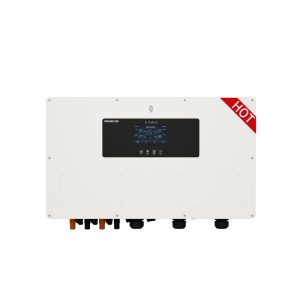
three-phase hybrid solar inverter
5-14kW | MARS-5-14G2-LE
- Support different power inverters parallel connection
- Independent AC input port for diesel generator
- 100% unbalanced output, each phase max. output up to 5kW
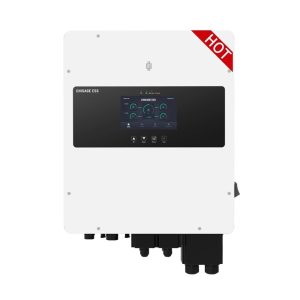
Single-phase hybrid solar inverter
3-10kW | JUP-3-10G2-LE
- Independent AC input port for diesel generator
- Colorful 5-inch touch LCD, IP65 protection degree
- Up to 20 PCS inverters parallel for off-grid operation