Related Articles
On Grid Inverter vs Off Grid: Which Is Right for You?
Understanding the Basics of Solar Inverter Systems
The Role of Solar Inverters in Energy Systems
Solar inverters are a vital component in any solar power system. They convert the direct current (DC) electricity generated by solar panels into alternating current (AC) electricity, which most homes and businesses use. Without a high-quality inverter, solar power would be useless for most applications. Beyond merely converting energy, inverters also optimize energy production by tracking the solar panels’ maximum power point (MPP), ensuring that every watt of energy is captured and utilized efficiently. Inverters are:
- The brains of a solar system.
- Ensuring it operates smoothly, safely, and effectively.
- Adapting to changing sunlight conditions and system demands.
What Is an On Grid Inverter and How Does It Work?
An on-grid inverter, also known as a grid-tied inverter, is designed to connect your solar system to the utility grid. The primary function of this inverter is to convert the DC power produced by your solar panels into AC power, which is then used to supply your home or business. When the solar system generates more power than is needed, the excess electricity is fed back into the grid, often generating credits or financial compensation. On-grid inverters are highly efficient, cost-effective, and require minimal maintenance. They rely on the grid to supply power when solar generation is insufficient (e.g., at night or during cloudy weather).
What Is an Off Grid Inverter and How Does It Differ?
In contrast, an off-grid inverter is part of a completely independent energy system. It allows you to store excess energy in batteries when the sun isn’t shining, eliminating the need for a connection to the utility grid. These systems are ideal for homes and businesses in remote areas where the grid is unavailable or unreliable. Off-grid inverters handle energy storage, conversion, and distribution without depending on external power sources, offering full autonomy. The key difference between off-grid and on-grid inverters is that off-grid inverters require additional components like batteries to store the energy generated. In contrast, on-grid systems simply send excess energy back to the grid.
Comparing the Key Features of On Grid and Off Grid Inverters
Energy Dependence: Why On Grid Systems Rely on the Grid
On-grid systems operate with the primary aim of reducing reliance on grid electricity. However, they still depend on the utility grid to balance energy consumption and supply. The grid takes over if the solar power system isn’t generating enough energy due to a lack of sunlight, bad weather, or high energy demand. While this system reduces energy costs during the day and on sunny days, it doesn’t provide true energy independence. Therefore, if there’s a power outage or an issue with the grid, homes or businesses using on-grid inverters will lose power unless a battery storage system is added to the setup.
Independence and Autonomy: How Off Grid Systems Operate Independently
In contrast, off-grid inverters operate completely independently from the grid. These systems are designed for homes, businesses, or remote areas without access to the utility grid. The energy generated by the solar panels is stored in batteries for later use, ensuring a reliable power supply even when the sun isn’t shining. Off-grid systems provide full autonomy, allowing users to be entirely self-sufficient regarding energy consumption. This independence makes off-grid systems highly attractive for those looking to break free from utility dependency and who are prepared to invest in the necessary infrastructure to support long-term, independent power usage.
Efficiency and Cost: Which System Maximizes Energy Production?
Both on-grid and off-grid inverters can operate with high efficiency, but their effectiveness depends on different factors. On-grid inverters typically offer a higher energy yield because they are directly tied to the grid. When the system produces more electricity than required, the excess can be exported to the grid, contributing to energy savings or financial rewards through net metering.
Off-grid systems, while offering the benefit of complete autonomy, generally require a larger initial investment. The cost of batteries, charge controllers, and other components for off-grid systems can be significant. However, with advancements in battery technology, the long-term costs of off-grid systems are becoming more affordable. While on-grid inverters are generally cheaper and easier to install, off-grid systems offer energy independence, which may be more valuable to users who want complete control over their energy usage.
Benefits and Drawbacks of On Grid Inverter Systems
Lower Initial Costs and Simple Installation
One of the primary advantages of on-grid inverters is their relatively low initial cost and simple installation. Since these systems rely on the grid for backup power, there’s no need for large battery storage systems, making the setup less expensive. Additionally, because the system is directly tied to the utility grid, the installation process is more straightforward, with fewer components required. On-grid systems are often ideal for residential users who want to lower their utility bills without making a significant upfront investment.
Grid Connection and Energy Exchange: How It Works
On-grid inverters allow for energy exchange between the home or business and the utility grid. When your solar panels produce more electricity than you need, the excess power is fed back into the grid, which may result in financial credits or lower bills through net metering. This setup ensures that you always have access to power, even when your system isn’t producing enough solar energy. The ability to draw from the grid when needed provides peace of mind, but it also means you’re still reliant on the grid during periods of low solar generation.
Energy Storage and Backup Power: Limitations of On Grid Systems
The main limitation of on-grid systems is their inability to provide backup power during a grid outage. If the grid goes down, on-grid systems cannot supply power to the home or business unless they are paired with a battery storage system. While grid-tied systems are highly efficient and cost-effective in normal conditions, they don’t offer true energy security in emergencies. An off-grid or hybrid system may be a more suitable option for users who prioritize reliability during power outages.
Benefits and Drawbacks of Off Grid Inverter Systems
Total Energy Independence: Freedom from the Grid
The most significant advantage of off-grid inverter systems is their freedom from the utility grid. By generating and storing your own energy, you no longer need to rely on external power sources. This independence is especially valuable in remote locations where access to the grid is limited or unavailable. Off-grid systems allow users to generate, store, and use their electricity without worrying about electricity rates, grid disruptions, or the rising cost of utility power.
The Need for Battery Storage: Balancing Energy Production and Consumption
Off-grid systems require battery storage to store excess energy for use when solar generation is low. The size and quality of the battery bank are crucial for the overall efficiency of the system. Balancing energy production with consumption is essential for maintaining a steady power supply. Overestimating your energy needs could lead to over-sized, expensive battery storage while underestimating needs could leave you without enough energy during periods of low sunlight.
Higher Upfront Costs and Maintenance Considerations
Off-grid solar systems generally involve higher initial costs compared to on-grid systems. This is due to the need for additional components like batteries, charge controllers, and an off-grid inverter, which increases both installation complexity and cost. Additionally, off-grid systems often require more maintenance over time, especially when it comes to maintaining batteries. The added complexity and ongoing upkeep may be a deterrent for those looking for a low-maintenance solar solution.
How to Decide Which System is Right for You
Assessing Your Energy Needs: Home Size, Usage, and Location
The first step in deciding between an on-grid and off-grid inverter system is assessing your energy needs. Larger homes or businesses that consume more electricity may benefit from an on-grid system that provides access to the grid. In remote locations or areas with unreliable grid access, off-grid systems are ideal, though they require careful consideration of battery capacity and energy consumption.
Evaluating the Long-Term Savings and Investment Costs
While on-grid systems tend to have a lower initial investment, off-grid systems provide complete independence, which may be more valuable for certain users. Consider the long-term savings, maintenance costs, and energy security needs when evaluating your investment. While the payback period for off-grid systems may be longer, the benefits of energy autonomy can outweigh the cost in the long run.
Considerations for Climate, Grid Access, and Lifestyle Preferences
Climate plays a crucial role in choosing between an on-grid or off-grid system. Areas with consistent sunlight can benefit from off-grid solutions, while regions with less sun or frequent weather fluctuations may be better served by on-grid systems. Additionally, consider your lifestyle preferences. If you prioritize independence and sustainability, off-grid might be the right choice. If you’re looking for lower upfront costs with reliable backup from the grid, on-grid may suit your needs better.
Finding the Right Solution for Your Energy Future
Recap of Key Differences Between On Grid and Off Grid Inverters
On-grid inverters offer lower upfront costs and are easy to install but depend on the utility grid for backup power. Off-grid inverters provide total energy independence but come with higher costs and maintenance.
Making an Informed Decision for Sustainable Energy Use
Choosing the right inverter system depends on your specific energy needs, budget, and lifestyle. Both on-grid and off-grid systems have their advantages, and the right choice will ensure you have reliable, efficient, and sustainable energy for years to come.
The Future of Solar Energy: Trends and Innovations in Inverter Systems
As solar energy technology advances, both on-grid and off-grid systems will continue to evolve, offering improved efficiency, better energy storage solutions, and more cost-effective options. The future of solar power is bright, with new innovations constantly reshaping the way we generate and consume energy.
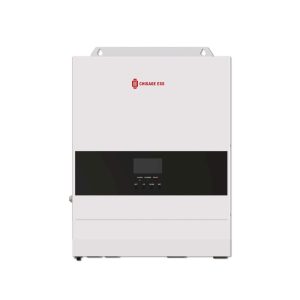
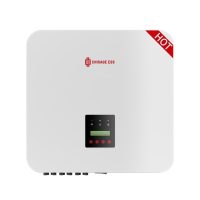
three-phase On Grid Inverter
8-20kW | CE-3P8-20KEG
- High PV Input Current Up to 18A
- High Conversion Efficiency Up to 98.6%
- Low PV Start-up Voltage, Generate Power Earlier
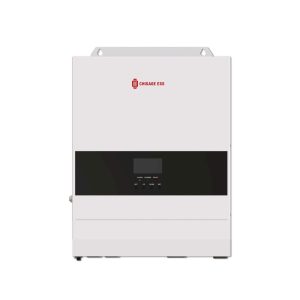
24V Pure Sine Wave Off Grid Inverter
3kW | CE2430-EU-80-H
- Pure sine wave AC output
- Uninterrupted power supply
- Support grid and PV activated lithium batteries
48V Pure Sine Wave Off Grid Inverter
5kW | CEP4850-EU-80-H
- Pure sine wave AC output
- Uninterrupted power supply
- Available for Max. 6 units parallel connection
- Support grid and PV activated lithium batteries