Related Articles
Solar Inverter vs Traditional Power: Why It's a Game Changer
Introduction: The Shift Towards Sustainable Energy Solutions
The Growing Need for Energy Efficiency and Sustainability
In today’s rapidly evolving world, energy consumption patterns are shifting toward sustainability. As global energy demands increase and environmental concerns grow, the need for more energy-efficient solutions has never been more critical. With climate change and resource depletion threatening our future, society is leaning heavily on cleaner, more sustainable energy sources. Traditional fossil fuels—coal, oil, and natural gas—are being replaced by renewable energy solutions like solar, wind, and hydro. This shift is not only a matter of environmental necessity but also economic practicality as renewable energy becomes increasingly affordable and accessible.
The quest for sustainability hinges on reducing our carbon footprints and mitigating climate change. Solar energy, harnessed through innovative technologies like solar inverters, plays a pivotal role in this transition. As governments and businesses alike embrace eco-friendly alternatives, the future of energy lies in reducing dependence on traditional power sources while maximizing the potential of clean energy.
Understanding the Role of Solar Inverters in Modern Energy Systems
Solar inverters serve as the heart of solar energy systems, converting the direct current (DC) electricity produced by solar panels into alternating current (AC) electricity, which is usable by household appliances and businesses. The role of solar inverters extends beyond mere power conversion; they manage and optimize energy flow, ensuring efficient and reliable performance. By integrating with the grid or battery storage systems, solar inverters provide homes and businesses with the flexibility to store excess energy or feed it back into the grid, reducing dependence on traditional power sources.
Solar inverters enable homes and businesses to gain energy independence, which is becoming an increasingly important goal in the face of rising energy prices and grid instability. By investing in solar inverter technology, individuals and organizations can dramatically reduce their energy costs while contributing to a greener, more sustainable world.
What is a Solar Inverter and How Does It Work?
The Basics of Solar Inverters: Converting Solar Power into Usable Electricity
Solar inverters are the key technology that makes solar energy practical for daily use. Solar panels capture sunlight and convert it into DC electricity. However, most appliances in homes and businesses run on AC power, which is where the solar inverter comes in. The inverter’s primary job is to convert the DC electricity generated by solar panels into AC power, making it compatible with your home or business’s electrical system.
But the inverter does more than just conversion—it also regulates the voltage and ensures the system operates safely. Solar inverters are equipped with features that protect the electrical grid and your home’s electrical system from surges while also providing real-time monitoring to track energy production and usage. In essence, the solar inverter optimizes the energy flow, ensuring maximum efficiency and performance from your solar system.
Key Features of Solar Inverters: Maximizing Efficiency and Performance
A modern solar inverter is packed with features designed to enhance the efficiency and reliability of your solar energy system. These features include:
– Maximum Power Point Tracking (MPPT): MPPT technology allows the inverter to find the optimal voltage to extract the maximum power from solar panels at any given time. This ensures that the system produces as much energy as possible, even when sunlight conditions fluctuate.
– Grid Compliance: Solar inverters are designed to comply with grid regulations, enabling them to synchronize seamlessly with the local utility grid. This allows excess energy to be fed back into the grid, reducing energy costs for the user and contributing to the broader energy system.
– Monitoring and Control: Many modern solar inverters come with monitoring features that allow users to track energy production, consumption, and system performance remotely. This level of control empowers users to optimize energy use and troubleshoot issues in real time.
Together, these features make solar inverters an indispensable component in creating a sustainable and efficient energy solution.
Traditional Power Systems: A Costly and Less Sustainable Solution
How Traditional Power Systems Operate: Grid Dependency and Fossil Fuels
Traditional power systems rely heavily on fossil fuels like coal, natural gas, and oil to generate electricity. These power plants convert thermal energy from burning fossil fuels into electricity, which is then transmitted via the grid to homes and businesses. While this system has been in place for over a century, it comes with significant drawbacks—most notably, the environmental impact of burning non-renewable resources and the strain placed on natural ecosystems.
The electricity generated by traditional power plants is centralized, meaning it has to be transported long distances through the grid, resulting in significant energy loss during transmission. Additionally, power plants emit greenhouse gases, contributing to climate change and air pollution. This reliance on fossil fuels also makes energy prices volatile, as supply and demand dynamics fluctuate based on geopolitical factors, resource scarcity, and environmental regulations.
The Rising Costs of Traditional Energy and Their Environmental Impact
The costs associated with traditional power generation are rising steadily. As fossil fuel prices increase and regulations on emissions become stricter, the price of electricity generated from these sources is expected to continue climbing. This increase in energy costs puts a strain on consumers, businesses, and governments, making energy bills an ever-growing concern.
From an environmental perspective, traditional power systems are unsustainable. They contribute to the depletion of finite natural resources, deforestation, and air and water pollution. The carbon emissions from fossil fuel burning are a primary driver of global warming, impacting ecosystems and human health. This makes the need for cleaner, more sustainable alternatives, such as solar power, all the more urgent.
The Cost-Saving Potential of Solar Inverters in Comparison to Traditional Power
Lower Energy Bills: How Solar Inverters Help Homeowners and Businesses Save
One of the primary benefits of adopting solar inverter technology is the potential for substantial cost savings. By generating and using solar energy, homeowners and businesses can significantly reduce their reliance on the grid. This translates directly into lower energy bills. Solar power allows users to capture energy during the day when the sun is shining, storing it for use later or feeding it back to the grid. This can reduce the amount of electricity purchased from the utility company, particularly during peak demand hours when electricity prices are higher.
In the long term, the savings from reduced utility bills can offset the initial investment in solar panels and inverters. With increasing energy prices and decreasing solar installation costs, solar inverters are becoming an increasingly cost-effective solution for reducing household and business energy expenses.
Reducing Peak Demand Charges with Solar Power
Peak demand charges occur when the demand for electricity exceeds supply, typically during the hottest and coldest parts of the day. These charges are often levied by utility companies to help manage grid pressure. Solar inverters can mitigate peak demand costs by using stored solar energy to power homes and businesses during peak periods, reducing the need to draw electricity from the grid when prices are highest.
This practice not only helps save money but also reduces the strain on the grid, contributing to more stable and efficient energy distribution.
Financial Incentives: Government Rebates and Tax Credits for Solar Installations
To encourage the transition to solar energy, many governments offer financial incentives such as tax credits, rebates, and grants. In some regions, installing a solar inverter system may qualify homeowners and businesses for incentives that significantly reduce upfront installation costs. These incentives make the initial investment more affordable and accelerate the payback period, making solar energy a more attractive option for a growing number of consumers.
Boosting Sustainability with Solar Inverters
Reducing Carbon Footprints: The Environmental Benefits of Solar Energy
Solar inverters are key to reducing our reliance on fossil fuels and minimizing our carbon footprints. By converting clean, renewable solar energy into usable power, solar inverters help reduce greenhouse gas emissions associated with traditional power generation. Every kilowatt-hour of solar energy used is one less kilowatt-hour generated by a fossil fuel-powered plant.
This shift from carbon-intensive energy sources to cleaner solar energy is essential for combating climate change, preserving natural resources, and improving air quality. As the adoption of solar energy grows, the environmental impact of power generation continues to decline, bringing us closer to a more sustainable future.
How Solar Inverters Integrate with Renewable Energy Goals
Solar inverters play an integral role in the global push for renewable energy. They enable the seamless integration of solar power into the electrical grid, providing a reliable source of clean energy. Furthermore, solar inverters facilitate the connection of multiple renewable energy systems, such as wind and hydroelectric power, into integrated grids, creating a diverse and resilient energy mix.
In the broader context of global energy goals, solar inverters are key enablers of clean energy adoption, offering a practical solution for increasing the share of renewables in national and international energy markets.
Achieving Energy Independence: Solar Power and Grid Freedom
Solar inverters make it possible for homeowners and businesses to achieve energy independence. By generating their own power, individuals can rely less on the grid and its fluctuating energy prices. Hybrid inverters, which combine solar and storage capabilities, allow users to store excess energy for later use, ensuring they have a backup power supply during outages or when sunlight is scarce. This autonomy is not only economically beneficial but also enhances resilience during energy crises or power grid failures.
The Real-World Impact of Solar Inverters on Homes and Businesses
Residential Benefits: Enhancing Home Energy Efficiency with Solar Inverters
Solar inverters help homeowners reduce their environmental impact while significantly lowering their electricity bills. By generating and using solar power, homes become more energy-efficient, cutting down on energy waste and promoting sustainable living practices. The added benefit of energy storage is that homeowners can control their energy use more effectively, storing excess power during the day for use during the night or cloudy periods.
Business Applications: How Solar Inverters Can Improve Operational Efficiency and Sustainability
For businesses, solar inverters provide a dual benefit: cost savings and sustainability. By shifting energy consumption to solar power, companies can reduce their energy costs, particularly in industries with high energy demands. Solar inverters allow businesses to align with sustainability goals, presenting a compelling case to eco-conscious consumers and investors. Additionally,
businesses can gain energy independence and reduce their vulnerability to energy price hikes.
Case Studies: Success Stories of Homes and Businesses Using Solar Inverters
Across the globe, homes and businesses are experiencing the transformative benefits of solar inverter technology. From large-scale commercial installations to small residential systems, solar inverters are proving their worth in real-world applications. For example, businesses that have adopted solar energy are seeing significant reductions in their operational costs, while homeowners are enjoying lower utility bills and increased property values. These success stories highlight the widespread impact of solar inverter systems and their role in the future of energy.
Overcoming Challenges: Transitioning from Traditional Power to Solar Energy
Addressing Common Misconceptions About Solar Inverters
Despite the growing popularity of solar energy, there are still many misconceptions about solar inverters. Common myths include the belief that solar power is only effective in sunny climates or that solar inverter systems are too expensive to justify. In reality, solar inverters are becoming increasingly affordable, and they are effective even in regions with less sunlight due to advances in solar panels and inverter technology. Additionally, the long-term savings and environmental benefits far outweigh the initial investment.
Initial Costs vs. Long-Term Savings: Evaluating the Investment
The initial cost of installing solar inverters may be higher than traditional power systems, but the long-term savings are substantial. Over time, solar inverters pay for themselves through reduced electricity bills and financial incentives. The total cost of ownership is typically much lower than that of fossil fuel-powered systems, making solar inverters a wise financial investment.
Installation and Maintenance: What to Expect When Switching to Solar Inverters
Switching to solar power requires professional installation and occasional maintenance. The installation process involves setting up solar panels, connecting them to the inverter, and ensuring proper grid integration. Although the process can be complex, the long-term benefits far outweigh the short-term installation effort. Maintenance typically involves monitoring the system for performance and ensuring that the inverter is functioning optimally. With minimal maintenance, solar inverters can last for decades, making them a low-maintenance, high-return investment.
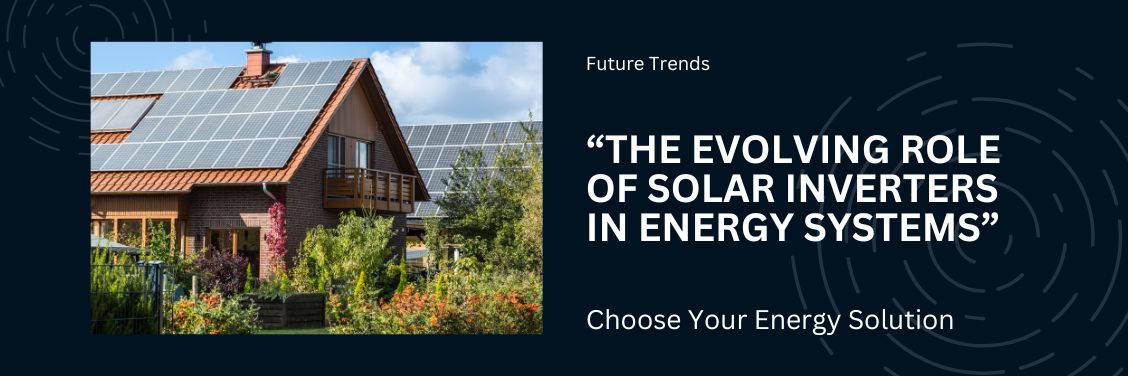
Future Trends: The Evolving Role of Solar Inverters in Energy Systems
Technological Advancements: What’s Next for Solar Inverters?
Solar inverter technology is constantly evolving. Future advancements are focused on improving efficiency, reducing costs, and enhancing integration with other renewable energy systems. New developments in smart inverters, which can communicate with the grid to optimize energy usage, are also on the horizon, offering even greater control and efficiency for consumers.
The Growing Market for Solar Energy and Inverters Worldwide
The global market for solar inverters is expanding rapidly as more consumers, businesses, and governments embrace renewable energy solutions. Technological improvements, policy incentives, and growing environmental awareness are driving this growth. Solar inverters are expected to play an increasingly central role in the global transition to a sustainable energy future.
The Impact of Smart Technology on Solar Inverter Efficiency
Smart technology is revolutionizing the way solar inverters operate. Features such as remote monitoring, automated adjustments, and grid connectivity are enhancing the efficiency and functionality of solar inverter systems. These smart capabilities will continue to improve the reliability and performance of solar power systems, making them even more attractive to homeowners and businesses alike.
Conclusion: Why Solar Inverters Are the Future of Sustainable Energy
Summing Up the Benefits: Lower Bills, Greater Sustainability, and Energy Independence
Solar inverters offer a host of benefits that make them a game changer in the energy industry. They reduce energy bills, promote sustainability, and help users achieve energy independence. The integration of solar power with inverters allows homes and businesses to take control of their energy usage, contributing to a more sustainable and resilient energy future.
The Path Forward: How to Get Started with Solar Inverter Technology
Getting started with solar inverter technology is easier than ever. With the right guidance, installation is straightforward, and the financial incentives available make it a viable option for most consumers. Researching local programs and consulting with industry experts will help make the transition seamless and cost-effective.
Taking Action: Making the Switch to Solar Energy for a Greener Future
Now is the time to make the switch to solar energy and reap the benefits of solar inverters. Whether for your home or business, embracing solar power is a step toward reducing energy costs, promoting sustainability, and contributing to a greener, more resilient future. The transition to solar is not just an investment in energy; it’s an investment in a sustainable planet.
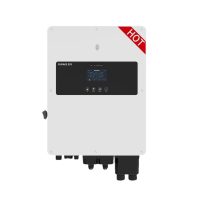
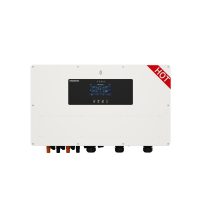
three-phase hybrid solar inverter
20-60kW | MERC-20-60G1-HE
- Support on/off-grid mode switch, EPS output
- Independent AC input port for diesel generator
- Up to 20 PCS inverters parallel for on/off-grid operation
three-phase hybrid solar inverter
5-14kW | MARS-5-14G2-LE
- Support different power inverters parallel connection
- Independent AC input port for diesel generator
- 100% unbalanced output, each phase max. output up to 5kW
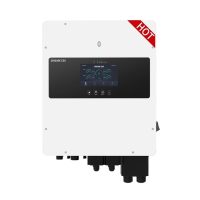
Single-phase hybrid solar inverter
3-10kW | JUP-3-10G2-LE
- Independent AC input port for diesel generator
- Colorful 5-inch touch LCD, IP65 protection degree
- Up to 20 PCS inverters parallel for off-grid operation